
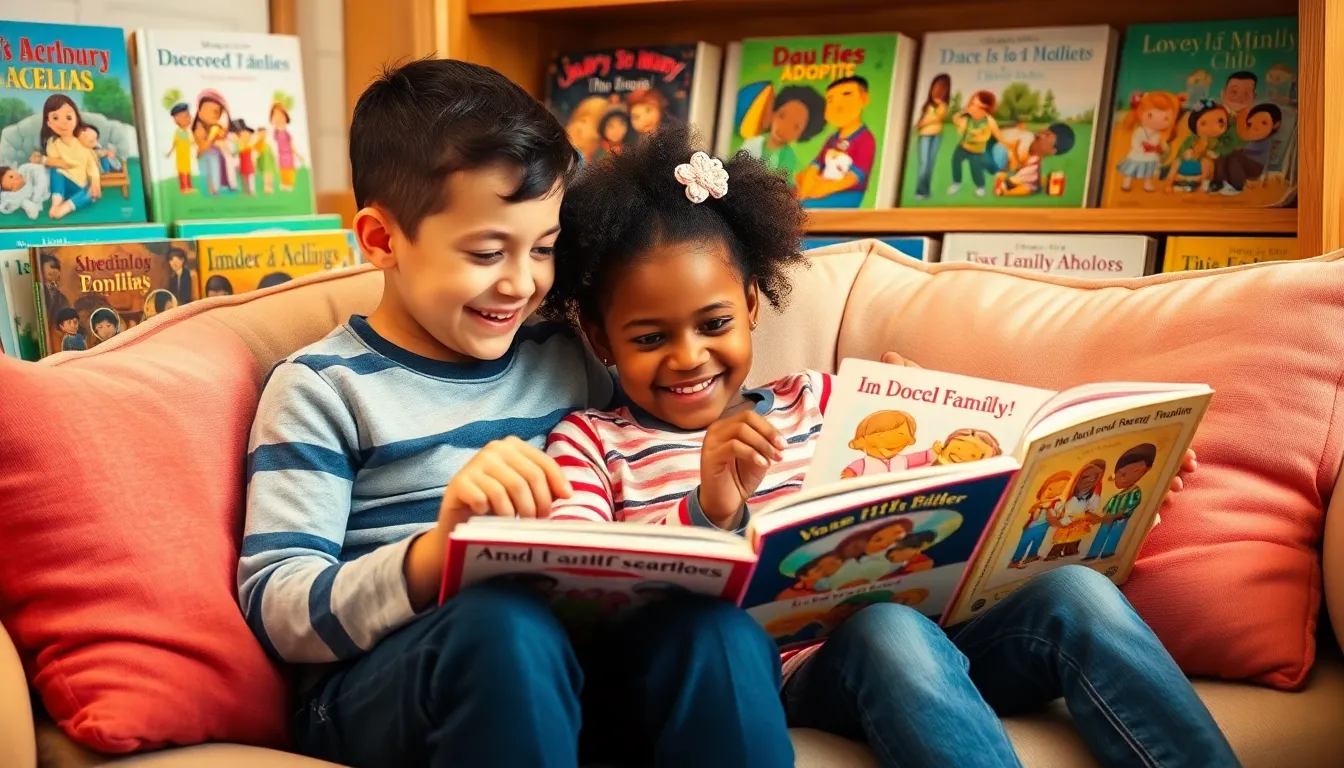
Adoption is a beautiful journey filled with love and discovery, but explaining it to kids can sometimes feel like trying to teach a cat to fetch. Luckily, adoption books for kids are here to save the day! These delightful stories help children understand their unique family dynamics while sparking important conversations about love, belonging, and identity.
Importance Of Adoption Books For Kids
Adoption books play a crucial role in helping children understand their unique family situations. These resources foster important conversations about love, belonging, and identity.
Understanding Adoption
Understanding adoption provides children with clarity regarding their background and family structure. Kids often encounter various questions about their origins, which makes it vital to address their curiosity. Books specifically designed for children present age-appropriate explanations that simplify complex concepts. Stories of different family experiences resonate with young readers, fostering connection and acceptance of their unique stories. Engaging narratives can deepen children’s comprehension and help them embrace their identities within their adoptive families.
Benefits Of Reading About Adoption
Reading adoption-themed books offers numerous benefits for children. Exposure to diverse characters and situations promotes empathy and understanding of others’ experiences. When kids see characters facing similar circumstances, it can help them feel less alone. Adopting discussions about emotions and identity builds strong, open communication between parents and children. Furthermore, shared reading experiences cultivate lifelong bonds, reinforcing trust and comfort. By normalizing adoption through storylines, these books empower children to embrace and celebrate their identities confidently.
Top Adoption Books For Kids
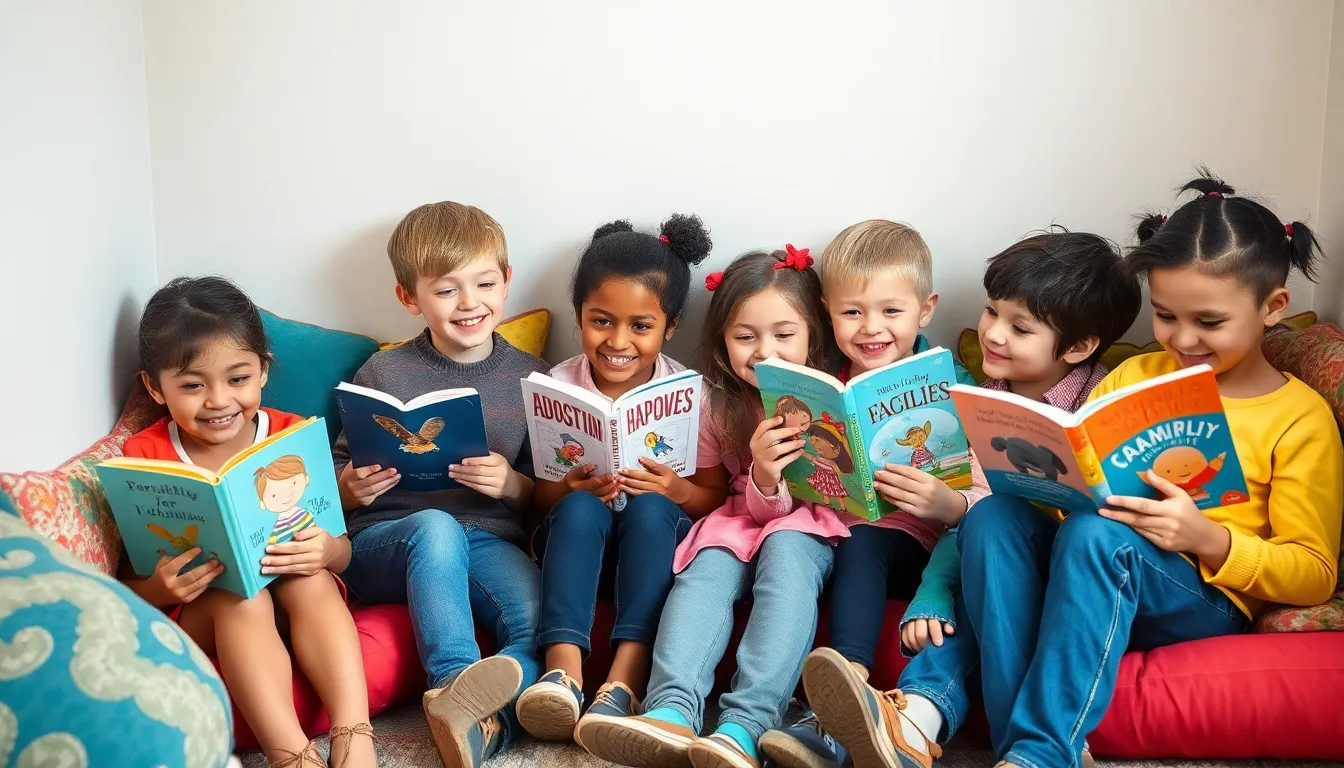
Adoption books provide essential tools for children to explore their identities within adoptive families. They facilitate open discussions about love and belonging.
Popular Titles
Many popular titles resonate with children and families navigating adoption. “Tell Me Again About the Night I Was Born” by Jamie Lee Curtis tells a heartfelt story about the joy of adoption. “A Mother for Choco” by Keiko Kasza highlights themes of belonging through the journey of a little bird finding his family. “Who’s in My Family?: All About Our Families” by Robie H. Harris presents diverse family structures, promoting understanding. “The Family Book” by Todd Parr showcases the beauty of various family types, reinforcing acceptance and inclusion. These titles capture the essence of adoption while encouraging dialogue between parents and children.
Age-Appropriate Selections
Age-appropriate selections cater to different developmental stages, ensuring children comprehend complex topics. For toddlers, “We Belong Together” by Todd Parr uses simple language to convey love and connection in adoption. Preschoolers may enjoy “Maggie’s Journey” by Sofia L. Thomas, which introduces the idea of family through engaging illustrations. Elementary-aged readers might relate to “Love You Like the Sun” by D. L. Adams, presenting adoption through a poetic lens. Middle-grade readers can explore “The Last Time I Saw You” by Rebecca Stead, which delves into feelings of belonging. Each book aligns with children’s understanding, promoting healthy discussions about family and identity.
Themes Commonly Explored
Children’s adoption books frequently explore important themes that resonate deeply with young readers. These themes help them navigate their emotions and experiences surrounding adoption.
Identity And Belonging
Identity and belonging form a central theme in many adoption stories. Understanding who they are and where they belong plays a crucial role in children’s emotional development. Books often depict characters embarking on journeys to discover their unique identities, illustrating the diversity within families. They help children see that different family structures exist and that love transcends traditional boundaries. For instance, stories may illustrate how adopted children fit into their families alongside biological siblings. Such narratives provide insights into the complex feelings surrounding belonging in different contexts by connecting to children’s personal experiences.
Love And Family
Love and family serve as foundational themes in adoption literature. Many narratives emphasize unconditional love within families, regardless of biological ties. They convey messages highlighting the strength of chosen families, portraying love as a binding force. These stories often showcase the various forms families can take, helping children appreciate diverse family dynamics. Books featuring loving parental figures, supportive communities, and friendships reinforce the idea that family extends beyond mere genetics. Such representations allow children to understand love as a pivotal aspect of family life regardless of how it’s formed, fostering acceptance and connection in their lives.
How To Choose The Right Adoption Book
Selecting an appropriate adoption book for a child requires thoughtful consideration. Thoughtful choices enhance understanding and foster connections within families.
Consider Your Child’s Age And Maturity
Age and maturity level significantly impact a child’s comprehension of adoption. Younger children benefit from simple stories featuring colorful illustrations, while older kids can handle more nuanced narratives. Books like “We Belong Together” engage toddlers with straightforward language and relatable scenarios. Alternatively, stories like “The Last Time I Saw You” cater to middle-grade readers by addressing complex emotions associated with adoption. Focusing on developmental stages ensures descriptions match a child’s ability to grasp themes of love and identity.
Look For Diversity And Representation
Diverse representation is vital in adoption literature. Books featuring characters from various backgrounds validate children’s experiences and promote acceptance. Stories that highlight different family structures encourage understanding by reflecting reality for many adopted children. Look for titles that showcase various cultures, races, and family dynamics. This approach helps children see themselves in the narratives. Inclusivity fosters empathy and connection, reinforcing the message that love defines family, not just biology.
Adoption books for kids are essential tools that facilitate understanding and acceptance of diverse family structures. They empower children to explore their identities and nurture open conversations about love and belonging. By choosing age-appropriate titles that reflect various backgrounds, parents can create an inclusive reading experience that resonates with their child’s journey.
These stories not only clarify complex topics but also foster empathy and connection within families. Ultimately, adoption literature plays a vital role in helping children celebrate their unique identities while reinforcing the idea that family is defined by love, not just biology. Embracing these narratives can lead to deeper bonds and a more profound understanding of what it means to be part of an adoptive family.


