

When it comes to providing a loving home for children in need, two paths often come into play: fostering and adoption. Both options are noble and impactful, but they’re not the same. Think of fostering as a temporary pit stop on the road to stability, while adoption is the ultimate destination—complete with a forever family and maybe even a pet or two!
Understanding Fostering and Adoption
Fostering provides a temporary home for children who can’t live with their biological families. This situation helps children gain stability until they can either reunite with their families or find a more permanent solution. Caregivers offer support, a safe environment, and resources while children’s long-term plans are established.
Adoption leads to a permanent familial bond between a child and their adoptive parents. The process involves legal procedures that terminate the biological parents’ rights, establishing the adoptive parents as the child’s legal guardians. This commitment reflects a lifelong relationship, where the child gains a secure, loving family.
Fostering often involves agencies that collaborate with social services to address children’s needs. These agencies provide training and support for foster parents, helping them manage various challenges that may arise during the fostering period.
In comparison, adoption agencies oversee the transition of children into permanent homes. These agencies focus on matching children with families ready to provide stability, love, and care for life.
Fostering may include siblings, ensuring they remain together during their time in care. Keeping families intact helps mitigate the trauma of separation while awaiting a long-term solution.
Adoption can involve various backgrounds, from infants to older children. These families often adapt their homes and lifestyles to accommodate the unique needs of the child entering their lives.
The primary distinction lies in the intention behind each process; fostering aims for temporary arrangements while adoption seeks a lifelong commitment. Understanding this difference helps families make informed decisions about how best to support children in need.
Key Differences Between Fostering and Adoption
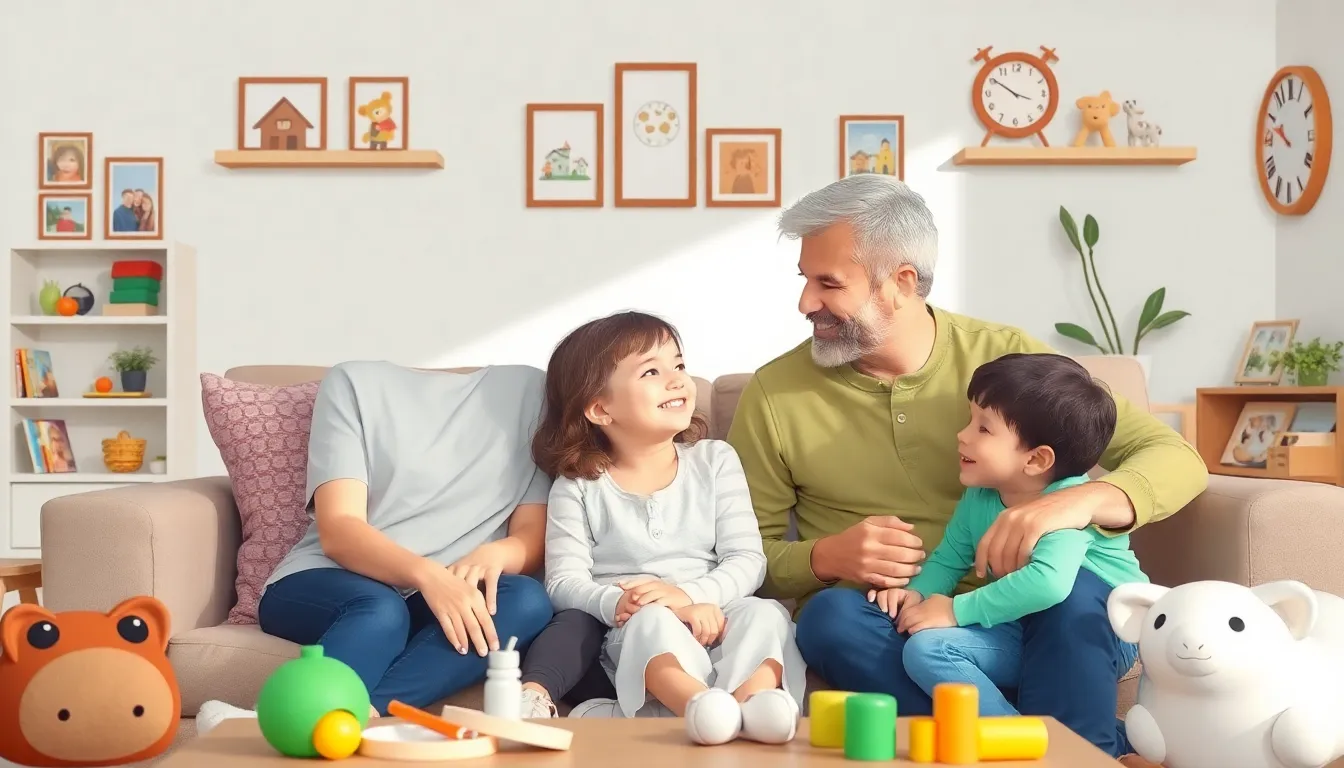

Fostering and adoption represent distinct pathways to supporting children in need. Understanding the differences can guide families in their decisions regarding these two options.
Legal Status
Foster care maintains a temporary legal status for children. Biological parents retain their legal rights until a court determines otherwise. Legal guardianship changes with adoption, as parents legally assume full rights and responsibilities post-adoption. Courts terminate biological parents’ rights during this process. Adoption secures a permanent family bond that foster care does not offer. Many legal implications follow both paths, emphasizing the contrasting nature of their commitments.
Duration of Care
Fostering typically involves short-term placements. Children can stay in foster homes for days, months, or even years, depending on reunification efforts or other permanent solutions. Lengthy arrangements may develop, but intentions remain exploratory. Adoption represents a lifelong commitment to a child. Families permanently integrate children into their lives, establishing ongoing relationships that last throughout their years. This reinforces the dedication required in adoption, setting it apart from the temporary nature of fostering.
Reasons for Fostering
Fostering provides essential support to children and families in need. Several key reasons illustrate its importance in society.
Helping Families in Crisis
Helping families in crisis forms a critical aspect of fostering. Foster caregivers offer support during challenging times when biological parents face issues such as addiction, mental health struggles, or economic hardship. Agencies strive to ensure that children remain connected to their families whenever possible. Maintaining these connections fosters stability while allowing families to heal and address their difficulties. Child welfare services prioritize these reunification efforts, emphasizing that foster placements should facilitate family reunification whenever viable.
Providing a Temporary Home
Providing a temporary home serves as a foundational function of fostering. Temporary placements allow children to experience safety and care outside of challenging environments. Such arrangements help children cope with trauma while long-term solutions are established. Typically, these placements can last from a few days to several months, depending on the child’s situation. Resource availability and caregiver readiness influence these duration decisions. Ultimately, fostering supports children’s immediate needs while allowing time for necessary adjustments in their lives.
Reasons for Adoption
Adoption provides the opportunity to create lasting, loving families. It establishes permanent bonds that significantly change lives.
Creating Permanent Families
Adoption forms stable family units for children who need a forever home. It offers children consistency and security, allowing them to thrive in a nurturing environment. Families can experience joy and fulfillment by welcoming a child into their lives. Legal processes ensure that biological parents’ rights are permanently terminated, giving adoptive parents full responsibility. This strong commitment shapes children’s identities and encourages long-term emotional growth. Lifelong relationships develop as families navigate life together, creating shared memories and support systems.
Emotional Connection
Emotional connections flourish through adoption, enriching the lives of children and parents alike. Children often experience a sense of belonging and acceptance, sources of comfort in their lives. Adoptive parents become integral figures, fostering trust and love that can profoundly impact a child’s development. Creating bonds that transcend biological ties demonstrates the power of family. Many families find joy in celebrating traditions and milestones together, reinforcing their relationships. Emotional stability gained through these connections contributes to children’s overall well-being, allowing them to explore their potential fully.


