
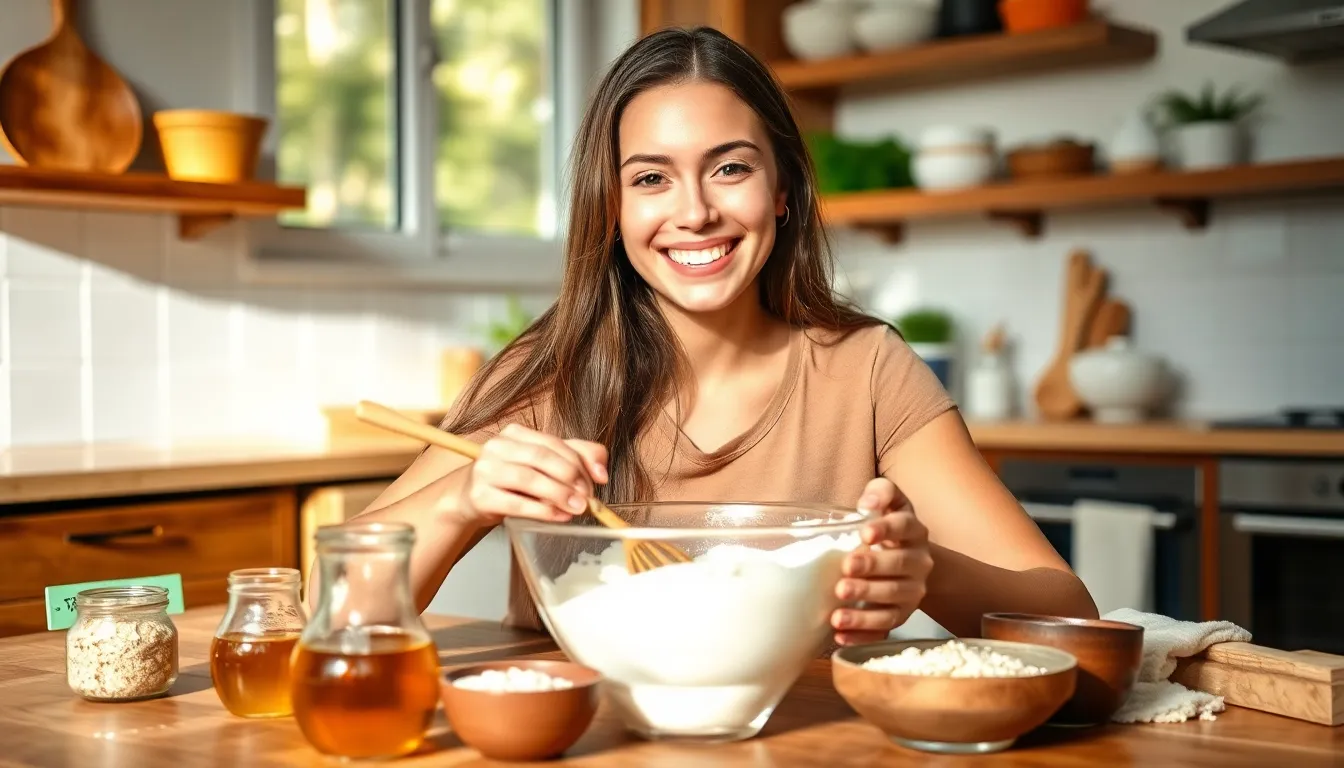
In a world where self-care reigns supreme, mastering the art of DIY face masks can turn any ordinary day into a spa-like retreat. Who needs a pricey salon when you can whip up a rejuvenating potion right in your kitchen? With just a few simple ingredients, you can transform your skin from drab to fab faster than you can say “cucumber slices!”
Importance Of Face Masks
Face masks play a vital role in skincare routines. They provide multiple benefits, including hydration, exfoliation, and nourishment. Each ingredient in a face mask can target specific skin concerns, such as acne, dryness, or aging.
Homemade face masks use natural ingredients, which reduces exposure to harsh chemicals. The use of kitchen staples like honey, yogurt, and oatmeal promotes healthier skin without risking allergies or irritation. Investing time in creating these masks fosters self-care, enhancing mental well-being and relaxation.
Regular application of face masks helps maintain skin clarity and texture. Results become visible after just a few uses, promoting long-term skin health. The customization of ingredients allows individuals to tailor their masks according to skin type and seasonal changes.
Moreover, face masks provide an opportunity for bonding experiences. Families and friends can enjoy mask-making sessions together, sharing recipes and techniques. This simple yet effective form of self-care encourages connection while promoting relaxation.
Incorporating face masks into weekly routines ensures consistent skin treatment and care. These DIY options make it accessible for everyone, regardless of budget. With proper care, individuals can achieve radiant and rejuvenated skin, making homemade face masks an essential element of personal care regimens.
Materials Needed
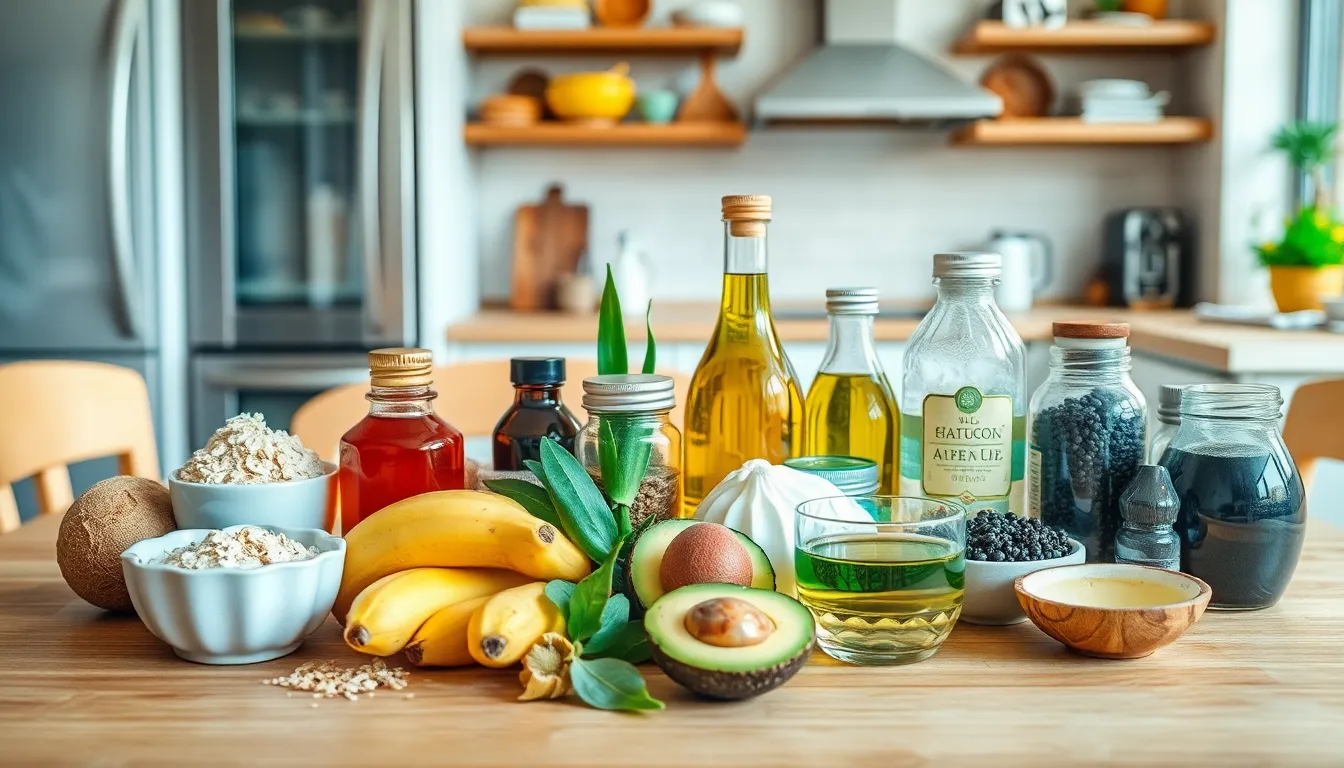
Creating a face mask at home requires simple materials, most of which can be found in the kitchen. Utilizing common ingredients promotes accessibility and ease in the mask-making process.
Common Household Items
Oatmeal serves as a gentle exfoliant, ideal for removing dead skin cells. Honey functions as a natural moisturizer, offering antibacterial properties. Yogurt contains lactic acid, helping to brighten the skin and enhance its texture. Olive oil acts as a nourishing agent, providing essential fatty acids for hydration. Bananas provide vitamins and antioxidants, aiding in skin repair. These items are versatile, making them suitable for various skin types.
Alternative Ingredients
Aloe vera gel is excellent for soothing irritated skin, providing a cooling effect. Green tea contains antioxidants, which combat free radicals and promote skin health. Coconut oil hydrates and nourishes, suitable for dry or flaky skin types. Avocado offers healthy fats and vitamins, revitalizing and deeply moisturizing. Activated charcoal can detoxify by drawing out impurities from the skin. These alternative ingredients empower individuals to customize their masks according to specific skin concerns.
Step-By-Step Guide
Creating a face mask at home is simple and rewarding. Follow these steps to achieve the best results.
Preparing The Mask
First, choose your ingredients based on your skin type. For hydration, use honey or yogurt. Oatmeal serves as a gentle exfoliant, while mashed banana provides nourishment. Measure each ingredient accurately, using 2 tablespoons of honey, 2 tablespoons of yogurt, or 1 ripe banana. Combine these in a bowl until smooth. If you opt for coconut oil, 1 tablespoon adds extra moisture. Mix until it achieves a consistent texture. Adjust the amounts based on your needs, and ensure all ingredients are fresh for maximum effectiveness.
Applying The Mask
Start with a clean face to enhance mask benefits. Use gentle cleansing products to remove dirt and oils. Next, apply the mask evenly across the face, avoiding the eye area. You can use fingertips or a clean brush for application. Leave the mask on for 15-20 minutes to allow absorption. Rinse with warm water to remove the mask, followed by a splash of cool water to refresh the skin. Pat the face dry with a clean towel, and follow up with a moisturizer for added nourishment. Regular application boosts skin texture and appearance.
Tips For Effectiveness
Select high-quality ingredients for masks. Fresh and organic items often yield better results than processed alternatives. Use ingredients like honey for its antibacterial properties, yogurt to hydrate, and oatmeal for gentle exfoliation.
Match the mask to skin type. Different skin concerns require specific ingredients. Individuals with dry skin benefit from hydrating masks rich in oils or creams, while those with oily skin can opt for clay or lemon masks.
Maintain consistency in application. Regular use promotes long-term benefits for the skin. Applying masks once or twice a week can enhance moisture levels, brightness, and overall skin texture.
Test for allergies before full application. Conduct a patch test on a small area of the skin to avoid adverse reactions. If irritation occurs, discontinue use immediately and consult with a dermatologist.
Store leftover masks properly. Refrigerating masks can prolong their effectiveness and freshness. Most natural ingredients remain stable for up to one week when stored in airtight containers.
Aim for a clean application process. Cleansing the face thoroughly before applying a mask ensures better absorption of the ingredients. Follow up with a gentle toner or moisturizer for optimal results.
Adapt masks to seasonal changes. Weather can affect skin, making adjustments in ingredients essential. For instance, summer may call for lighter textures, while winter may require richer, more nourishing masks.
Stay informed about mask duration. Adhering to recommended application times, typically 15-20 minutes, prevents irritation and maximizes benefits. Rinse thoroughly with warm water to remove any residue effectively.
Creating face masks at home is a rewarding and enjoyable experience that enhances personal skincare routines. With simple ingredients readily available in the kitchen individuals can easily craft masks tailored to their specific skin needs. This not only promotes healthy skin but also encourages creativity and self-care.
Regular use of these DIY masks can lead to noticeable improvements in skin texture and clarity. By incorporating this practice into weekly routines individuals can achieve glowing skin without breaking the bank. The social aspect of mask-making adds an extra layer of enjoyment making it a fun activity to share with friends and family.
Embracing homemade face masks transforms skincare into a personalized ritual that nourishes both the skin and the spirit.


