
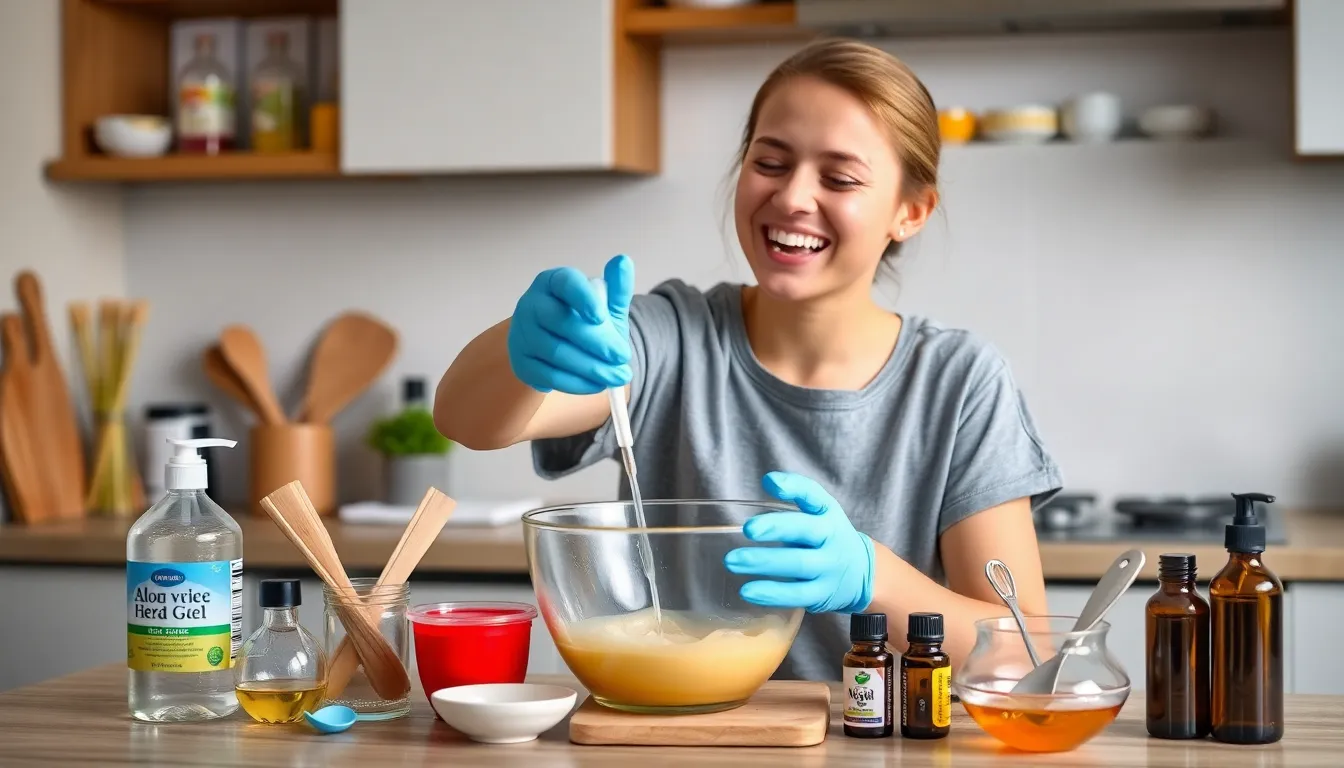
In a world where hand sanitizer has become the new gold, wouldn’t it be great to whip up your own batch right in your kitchen? Making hand sanitizer at home isn’t just easy; it’s a fun little science experiment that’ll have you feeling like a DIY wizard. Plus, you can customize it to smell like your favorite vacation spot or even that mysterious candle you bought last year.
Understanding the Importance of Hand Sanitizer
Hand sanitizer offers a quick and effective method to kill germs when soap and water aren’t available. Public health organizations, including the CDC, emphasize its role in preventing the spread of illness. Increased illness rates, particularly during flu season, highlight the necessity of proper hygiene measures like hand sanitizer.
Germs often spread through touch. Frequent use of hand sanitizer can significantly reduce the transmission of bacteria. Many pathogens survive on surfaces for hours or even days. Keeping hands clean with sanitizer can prevent infections that result from touching those contaminated surfaces.
Production of hand sanitizer at home remains a practical option, particularly during shortages. Homemade options can meet personal preferences for fragrance and texture. Creating a custom sanitizer allows individuals to incorporate essential oils, which can mask alcohol’s strong scent.
Legal regulations do exist on alcohol content in hand sanitizers. The World Health Organization recommends products containing at least 60% alcohol for effectiveness. Adhering to these guidelines, even in homemade versions, ensures optimal germ-killing efficacy.
Additionally, accessibility and cost-effectiveness contribute to the attraction of DIY hand sanitizer. With only a few ingredients needed, individuals can prepare sanitizer quickly. The ability to customize the formula increases personal investment in health and hygiene routines.
In social settings, offering hand sanitizer encourages others to maintain cleanliness. Keeping a small bottle on hand serves as a helpful reminder for proper hygiene. Thus, understanding the importance of hand sanitizer extends beyond individual use and fosters community health awareness.
Essential Ingredients for Homemade Hand Sanitizer
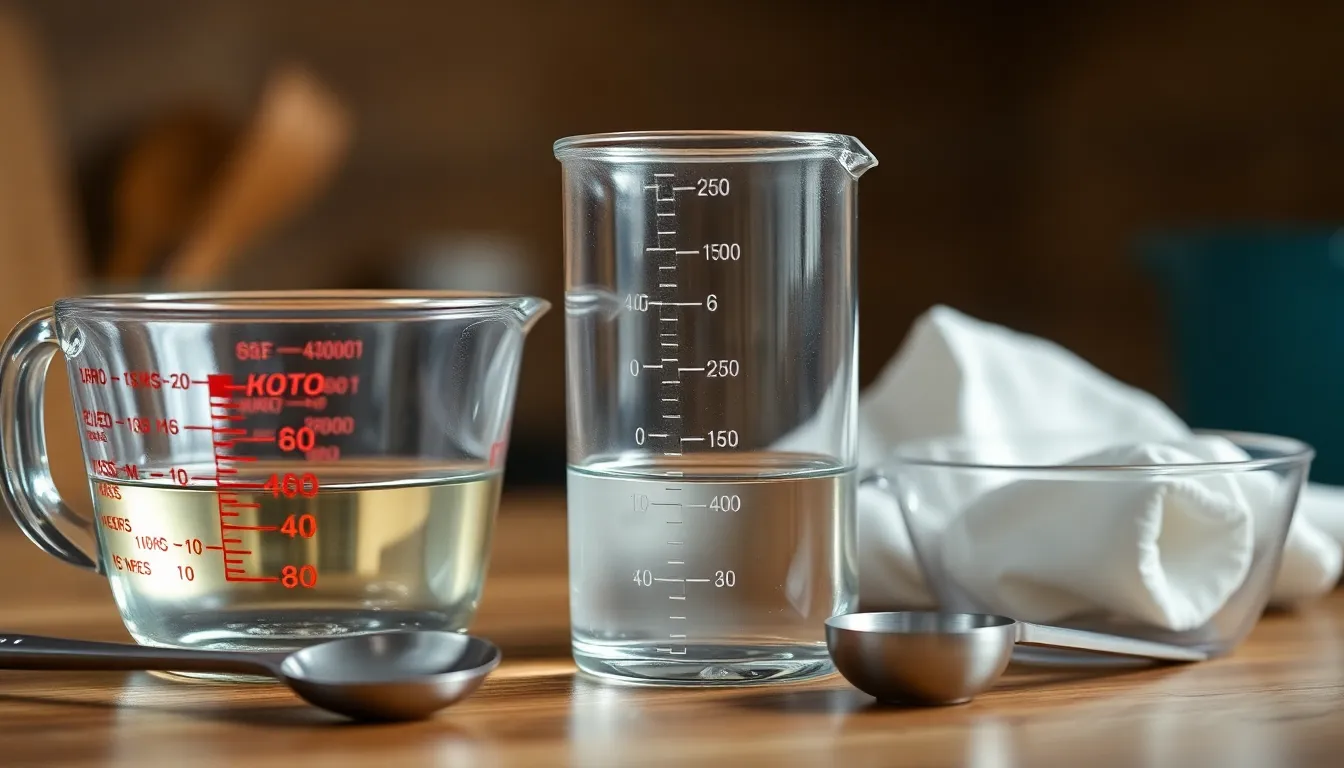
Creating effective hand sanitizer requires specific ingredients. These components ensure both efficacy and safety during use.
Alcohol Concentration
Alcohol concentration plays a vital role in hand sanitizer effectiveness. The CDC recommends using at least 60% ethanol or 70% isopropyl alcohol. Concentrations below these percentages reduce germ-killing potential. Choosing the right type of alcohol is crucial; for instance, rubbing alcohol is widely available and effective. It’s essential to measure accurately, as too little alcohol compromises effectiveness, while too much can be harsh on the skin.
Alternative Ingredients
Alternative ingredients can enhance the hand sanitizer’s properties. Glycerin serves as a moisturizer, preventing skin dryness associated with alcohol use. Additionally, essential oils can provide pleasant scents while offering potential antimicrobial benefits. Aloe vera gel is another excellent addition, improving texture and hydration. These alternatives not only improve user experience but also personalize the product. Combining these ingredients contributes to overall sanitizer quality, making it more enjoyable to use.
Step-by-Step Guide: How to Make Hand Sanitizer at Home Easy
Creating homemade hand sanitizer is straightforward and requires a few essential steps.
Preparing Your Workspace
Choose a clean, clutter-free area to avoid contamination. Gather all necessary supplies, including measuring cups, a mixing bowl, and storage containers. Disinfect the countertop and utensils to ensure a hygienic environment. Setting up the workspace efficiently enhances the mixing process. Wear gloves to prevent direct contact with the ingredients, especially alcohol. This precaution protects skin from irritation and keeps the workspace clean.
Mixing the Ingredients
Measure the alcohol properly; it must contain at least 60% ethanol or 70% isopropyl alcohol for effectiveness. Combine two parts alcohol with one part aloe vera gel for a moisturizing effect. Adding a few drops of essential oils can personalize the scent but remember not to exceed a few drops to maintain effectiveness. Stir the mixture thoroughly until it achieves a smooth consistency. Pour the solution into clean containers, ensuring to label each for future reference. Store the hand sanitizer in a cool, dry place to maintain its potency.
Common Mistakes to Avoid
Avoiding common mistakes ensures effective homemade hand sanitizer. Many people underestimate the importance of alcohol concentration. Using less than 60% ethanol or 70% isopropyl alcohol significantly reduces germ-killing effectiveness. Another frequent error is inaccurate measurements. Precisely measuring all ingredients is crucial to achieve the desired potency.
Forgetting to combine ingredients properly can also lead to a less effective product. Mix alcohol thoroughly with aloe vera gel before adding any scents. Skipping the step of using gloves can cause skin irritation from alcohol exposure. Wearing gloves protects the skin while preparing the sanitizer.
Storing hand sanitizer improperly diminishes its effectiveness. Use airtight containers to maintain alcohol concentration over time. Additionally, placing sanitizer in direct sunlight can degrade the alcohol content. Keep the sanitizer in a cool, dark place for optimal preservation.
Overcomplicating the recipe can make the process seem daunting. Stick to the basic ingredients for a straightforward solution. Using too many essential oils could irritate the skin, so maintaining a balance ensures usability without sacrificing effectiveness. The final product should be easy to use and effective against germs.
Ultimately, adhering to these guidelines leads to a successful home project. Staying informed about hand sanitizer precautions helps maintain health standards in personal and public spaces. By avoiding these common pitfalls, individuals create a safer, more enjoyable hand sanitizer.
Storing and Using Your Hand Sanitizer
Storing homemade hand sanitizer properly ensures its effectiveness. Use a clean, airtight container, preferably one with a pump or squeeze top. Dark glass or plastic containers protect the sanitizer from light exposure. Label each container with the date of preparation for easy tracking.
Using hand sanitizer correctly maximizes its germ-killing properties. Apply a sufficient amount, at least the size of a coin, to your hands. Rub your hands together until they feel dry, ensuring coverage of all surfaces, including between fingers and under nails.
Avoid touching the face until hands are thoroughly dry. A well-made hand sanitizer should dry completely within 20 seconds. Do not dilute the solution with water or other liquids, as this decreases its alcohol concentration and effectiveness.
Storing hand sanitizer in a cool, dry place prevents degradation. Extreme heat can compromise its potency, so avoid areas like direct sunlight or near heat sources. Regularly check your stored sanitizer for changes in color or consistency, which may indicate decreased effectiveness.
Maintaining a consistent supply of hand sanitizer is essential. Consider making smaller batches if frequent use requires replenishment. This practice helps avoid waste while ensuring an effective product.
Using hand sanitizer in additional settings reinforces its importance. Carry a travel-sized container for on-the-go accessibility. Always rely on hand sanitizer when soap and water are unavailable, especially in public places or during travel.
Making hand sanitizer at home is a practical and rewarding solution for maintaining hygiene. By following the right steps and using the recommended ingredients individuals can create an effective sanitizer that meets health guidelines. Personalizing the scent adds a unique touch while ensuring safety and effectiveness.
It’s crucial to adhere to the proper alcohol concentration and storage methods to maximize the sanitizer’s germ-fighting capabilities. With a little effort and attention to detail anyone can enjoy the benefits of homemade hand sanitizer, keeping themselves and others safe from illness. Embracing this DIY approach not only promotes health but also fosters creativity and resourcefulness in everyday life.


