
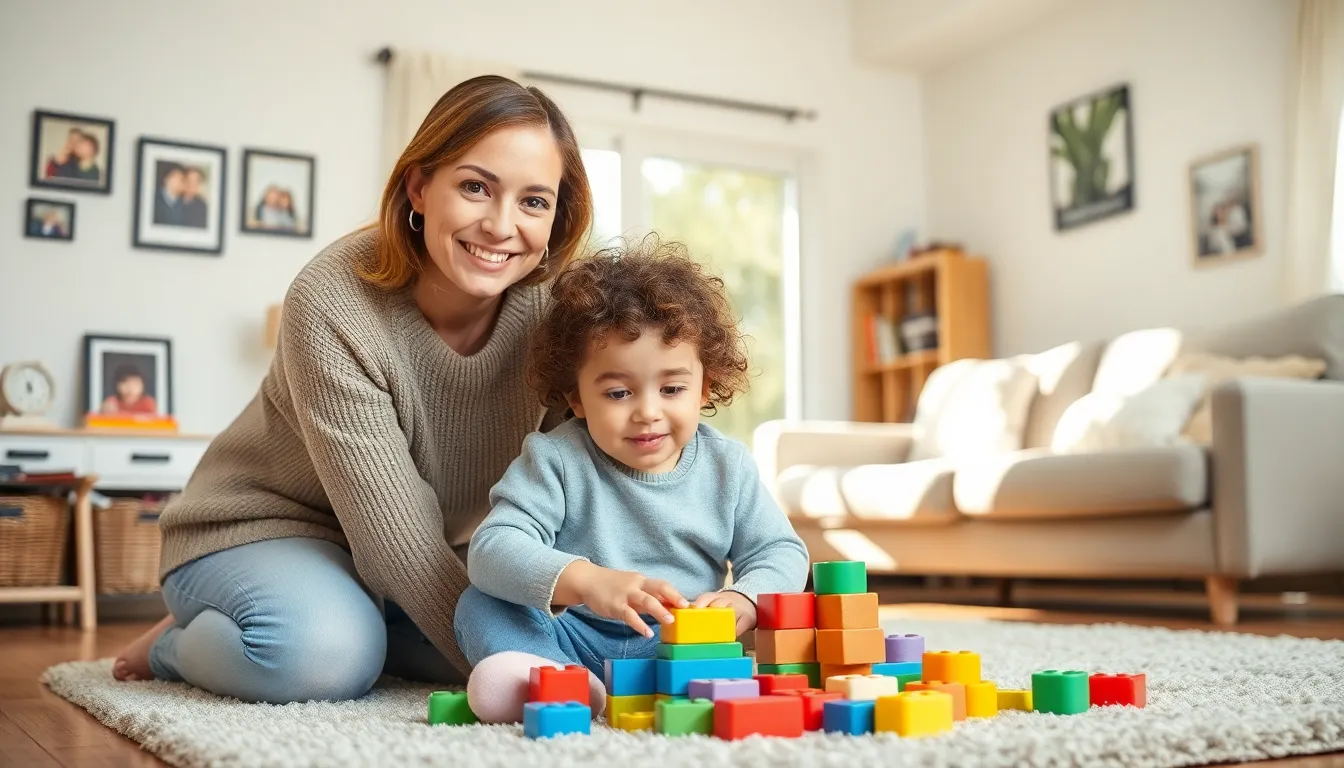
Adoption and fostering aren’t just about giving kids a roof over their heads; they’re about building families and creating lifelong bonds. Imagine being the superhero who swoops in to change a child’s life forever, cape optional. Whether it’s a snuggly toddler or a chatty teenager, every child deserves a loving home where they can thrive.
Understanding Adoption And Fostering
Adoption and fostering form essential aspects of child welfare, focusing on creating loving homes for children. Each path offers unique opportunities to support a child’s well-being and growth.
Definition Of Adoption
Adoption involves a legal process where an adult or couple becomes the permanent guardian of a child. This arrangement establishes a lifelong bond, granting the adoptive parents the same rights as biological parents. Each year, thousands of children find stable homes through adoption, ensuring they receive love and support. The process often encompasses various types, such as domestic, international, and foster care adoption. Regulations vary by jurisdiction, emphasizing the need for interested individuals to understand local requirements when considering adoption.
Definition Of Fostering
Fostering provides temporary care for children whose biological families face hardships. The primary goal centers on ensuring safety and stability while working towards family reunification or permanent placement. Foster parents play a crucial role by offering a nurturing environment and support to help children navigate transitions. Each fostering experience can differ significantly, influenced by the child’s age and background, as well as the specific circumstances leading to placement. Fostering connects children to resources that support their emotional and physical development during critical periods of their lives.
The Importance Of Adoption And Fostering

Adoption and fostering provide essential support for children and families, creating lasting ties and nurturing environments. These processes not only change lives but also enrich communities.
Benefits For Children
Children benefit significantly from adoption and fostering through stability and emotional support. A nurturing family environment leads to improved mental health outcomes. Depending on their placement, adopted or fostered children often experience enhanced educational opportunities. Safe homes promote personal development, allowing children to build confidence. Connections formed with loving caregivers instill a sense of belonging, crucial for their social development.
Benefits For Families
Families also experience profound advantages through adoption and fostering. Expanding a family’s structure fosters shared experiences and strengthens interpersonal relationships. Introducing a child brings unique perspectives and challenges, promoting personal growth among family members. Families engaged in fostering often develop deeper empathy and understanding for diverse backgrounds. Additionally, the joy of nurturing a child creates rewarding moments, enriching family life and strengthening bonds.
The Adoption Process
Navigating the adoption process involves several key steps and legal considerations that ensure a smooth transition into a new family.
Steps Involved
Initial steps include research to understand types of adoption, such as domestic, international, or foster care adoption. Afterward, prospective parents must complete a home study assessment, which evaluates their living situation, background, and readiness for adoption. Following this, they look for a match with a child, either through an agency or by networking with other families. Once a match is found, parents engage in the adoption placement process. This typically involves a trial period where the child moves in temporarily. Finalization occurs in court, solidifying the legal relationship and granting permanent parental rights.
Legal Considerations
Legal aspects govern the adoption process, ensuring the best interests of the child are prioritized. Prospective parents must understand adoption laws in their state, as requirements can vary significantly. Consent from birth parents is often a crucial step. Legal representation may be necessary to navigate paperwork and regulations. Additionally, post-placement support and resources are available, addressing any potential challenges parents might face. Understanding these legalities helps create a solid foundation for the new family structure.
The Fostering Process
The fostering process plays a crucial role in providing temporary care for children in need. Understanding the various types of foster care and the requirements for foster parents is vital for those considering this path.
Types Of Foster Care
Different types of foster care exist to meet the diverse needs of children and families. Traditional foster care involves placing children in the homes of licensed foster parents. Therapeutic foster care addresses children with emotional, behavioral, or medical needs by offering specialized support. Respite care provides short-term relief for primary foster parents, allowing them to recharge and maintain healthy placements. Another type, kinship care, places children with relatives or close family friends, thereby preserving family connections. Each type serves a unique role in enhancing the stability and support offered to children in challenging circumstances.
Requirements For Foster Parents
Fostering children requires certain qualifications and commitments from prospective foster parents. Applicants need to demonstrate financial stability and a suitable living environment, ensuring every child has a safe space. Background checks, including criminal and child abuse clearances, safeguard children’s welfare. Participating in training sessions helps foster parents develop necessary skills and knowledge. In most cases, applicants must be at least 21 years old and possess a strong desire to support children. Completing a home study assessment assesses the family structure and readiness for fostering, ultimately determining suitability for this profound responsibility.
Challenges In Adoption And Fostering
Adoption and fostering present various challenges that families must navigate. Understanding these difficulties helps caregivers provide effective support.
Common Misconceptions
Many people believe adopting or fostering is a quick process that requires little preparation. In reality, both entail detailed procedures, background checks, and extensive training. Some individuals assume that all children in foster care are difficult or troubled. However, children in these situations have diverse backgrounds and experiences. Another misconception is that foster care only serves as a temporary solution without any commitment. Families, instead, often invest emotionally, forming strong bonds with the children placed in their care.
Emotional And Legal Challenges
Emotional challenges frequently accompany both adoption and fostering. Caregivers might face attachment issues or feelings of inadequacy. Children, on the other hand, may struggle with abandonment or trust issues from previous experiences. Legal challenges also arise throughout these processes. Understanding complex legal frameworks varies by state, requiring potential parents to stay informed. They must navigate the legal requirements for adoption or fostering, which can feel overwhelming. Support networks and resources exist to assist families in overcoming these hurdles and fostering resilience.
Adoption and fostering are vital pathways that reshape lives and build families. They create environments where children can thrive and experience unconditional love. Caregivers play a crucial role in this journey by providing stability and support, which are essential for a child’s development.
Both processes require commitment and understanding of the legal and emotional complexities involved. However, the rewards of nurturing a child and witnessing their growth are immeasurable. By engaging in adoption or fostering, individuals not only change a child’s life but also enrich their own, fostering a sense of community and connection that lasts a lifetime.


