

When it comes to caring for children in need, fostering and adoption often steal the spotlight. But hold on—these two paths may look similar, yet they’re as different as cats and dogs at a dog park. Fostering is like a temporary pit stop for kids, offering them a safe haven while they navigate life’s twists and turns. Adoption, on the other hand, is the ultimate commitment, turning a temporary arrangement into a forever family.
Understanding the nuances between fostering and adoption can be a game changer for those considering these rewarding journeys. Whether you’re a superhero in disguise or just someone with a big heart, knowing the differences can help you make the right choice. So buckle up as we dive into the delightful world of fostering and adoption, where love knows no bounds and every child deserves a chance.
Understanding Fostering and Adoption
Fostering and adoption both support children in need, but they fulfill different roles. Understanding these distinctions is essential for those considering either path.
Definition of Fostering
Fostering involves providing temporary care for children removed from their homes for various reasons. This arrangement often lasts from a few days to several months. Foster parents create a nurturing environment while children await a more permanent solution, such as reunification with their biological families. Various organizations, like the National Foster Care Association, support this process and ensure children’s needs are met during their stay. Foster care prioritizes the child’s well-being and stability, focusing on re-establishing family connections whenever possible.
Definition of Adoption
Adoption signifies a legal and permanent commitment to raising a child as one’s own. The process typically involves a series of evaluations, background checks, and court approvals to ensure suitability for parenting. Adoptive parents embrace a child after all legal ties with their birth parents are severed. This arrangement creates a lasting family bond, as adopted children gain full rights equal to biological children. According to the Adoption and Foster Care Analysis Reporting System, in 2021, over 50,000 children found permanency through adoption in the United States. This represents a significant commitment to providing love, security, and stability for children.
Key Differences Between Fostering and Adoption
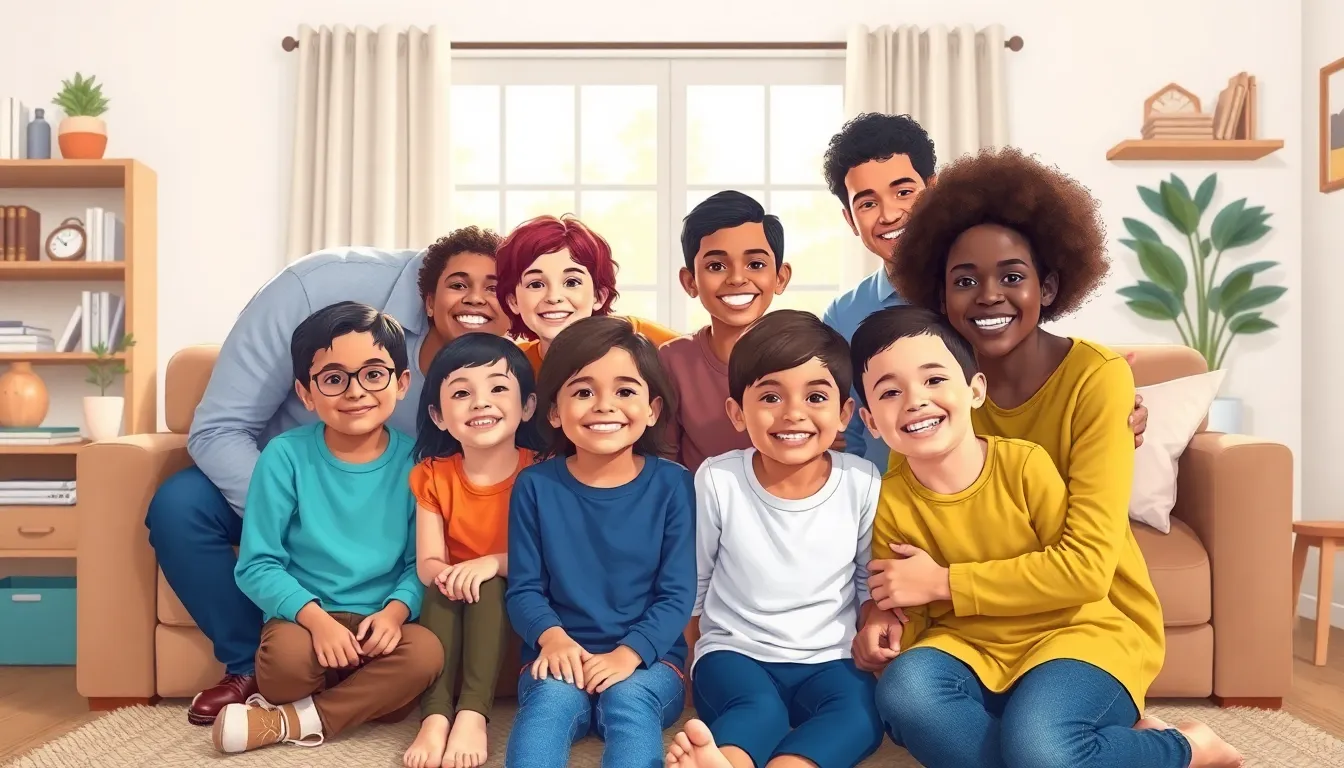
Fostering and adoption vary significantly in several key aspects. Understanding these differences enables better informed decisions.
Legal Status
Foster care maintains a temporary legal status for children, allowing them to remain under the guardianship of child welfare agencies. States oversee this arrangement, emphasizing that children can return to their biological families. Adoption, on the other hand, involves a permanent legal status. Once finalized, adoptive parents hold full legal rights and responsibilities for the child, severing all ties to the biological parents.
Duration of Care
Fostering typically ranges from a few days to several months. Children enter the system needing immediate care, yet their stay depends on the decisions made by child welfare agencies. Adoption offers a lifelong commitment. Adoptive parents provide a stable environment that lasts throughout the child’s life, ensuring they are part of a permanent family structure.
Parental Rights
In fostering, birth parents retain their parental rights unless legally terminated, maintaining the possibility of reunification. Foster parents act as temporary caretakers, supporting children while working towards family reunification. Adoption leads to the complete termination of the birth parents’ rights. Adoptive parents assume all rights over the child, fully integrating them into their family.
Impact on Children
Both fostering and adoption significantly affect children’s lives, impacting their emotional well-being and sense of stability. Understanding these impacts is crucial for those involved.
Emotional Considerations
Foster children often experience uncertainty about their future. They adapt to new environments, and this can create emotional distress. Nurturing foster parents play a vital role in helping children cope with loss and change. An embrace of stability encourages a sense of safety and belonging, fostering emotional resilience. Adopted children may face unique challenges related to identity and connection. A strong family bond formed through adoption enhances feelings of acceptance and support. Continuous love from adoptive parents helps children navigate emotional complexities stemming from their past experiences.
Stability and Permanence
Fostering offers children temporary stability, yet it lacks the permanence many crave. Foster placements vary in duration, influencing emotional security. Children often move between homes, which disrupts their sense of belonging. Adoption, however, provides a lasting solution that ensures children feel secure within a family unit. They enjoy the permanence of an established home, which contributes to their overall well-being. The predictability of life in an adoptive family fosters trust and emotional safety. Stability gained through adoption enhances children’s capacity to thrive, both academically and socially.
Understanding the difference between fostering and adoption is crucial for anyone considering these paths. Fostering provides essential temporary care while adoption offers a permanent family solution. Each option plays a vital role in a child’s life and can significantly impact their emotional and social development.
Choosing between fostering and adoption requires careful thought and a clear understanding of the commitments involved. Both avenues can lead to rewarding experiences, but they cater to different needs and circumstances. By recognizing these distinctions, potential foster and adoptive parents can make informed decisions that best support children in need.


