

In a world where culinary skills can make or break dinner parties, educational cooking games are serving up a delicious blend of fun and learning. These games transform the kitchen into a playground, where kids and adults alike can chop, sauté, and bake their way to kitchen mastery—all without the risk of a smoke alarm going off. Who knew that learning to cook could be as easy as pie?
Overview of Educational Cooking Games
Educational cooking games provide a fun and interactive way for players to enhance their culinary skills. These games feature various cooking techniques like chopping, sautéing, and baking, allowing users to practice in a safe environment. Engaging with different recipes, players learn measurement, timing, and ingredient combinations.
Many games come with vibrant graphics and realistic simulations, which make the cooking experience immersive. The blend of fun with education appeals to both kids and adults. Options within these games range from simple snack preparation to elaborate meal crafting. Players can broaden their culinary knowledge through diverse cuisines, introducing them to global tastes.
Incorporating challenges and rewards keeps motivation high. By completing tasks, players earn points or unlock new levels, promoting a competitive yet supportive atmosphere. Social elements often accompany these games, encouraging collaboration or competition among friends and family. Educational cooking games not only cultivate essential cooking skills but also foster teamwork and creativity.
Numerous platforms offer these games, from mobile applications to online websites. Players can access them easily, making flexible learning possible. Educational cooking games combine enjoyment with valuable life skills, making them a popular choice for those looking to improve their culinary abilities while having fun.
Benefits of Educational Cooking Games
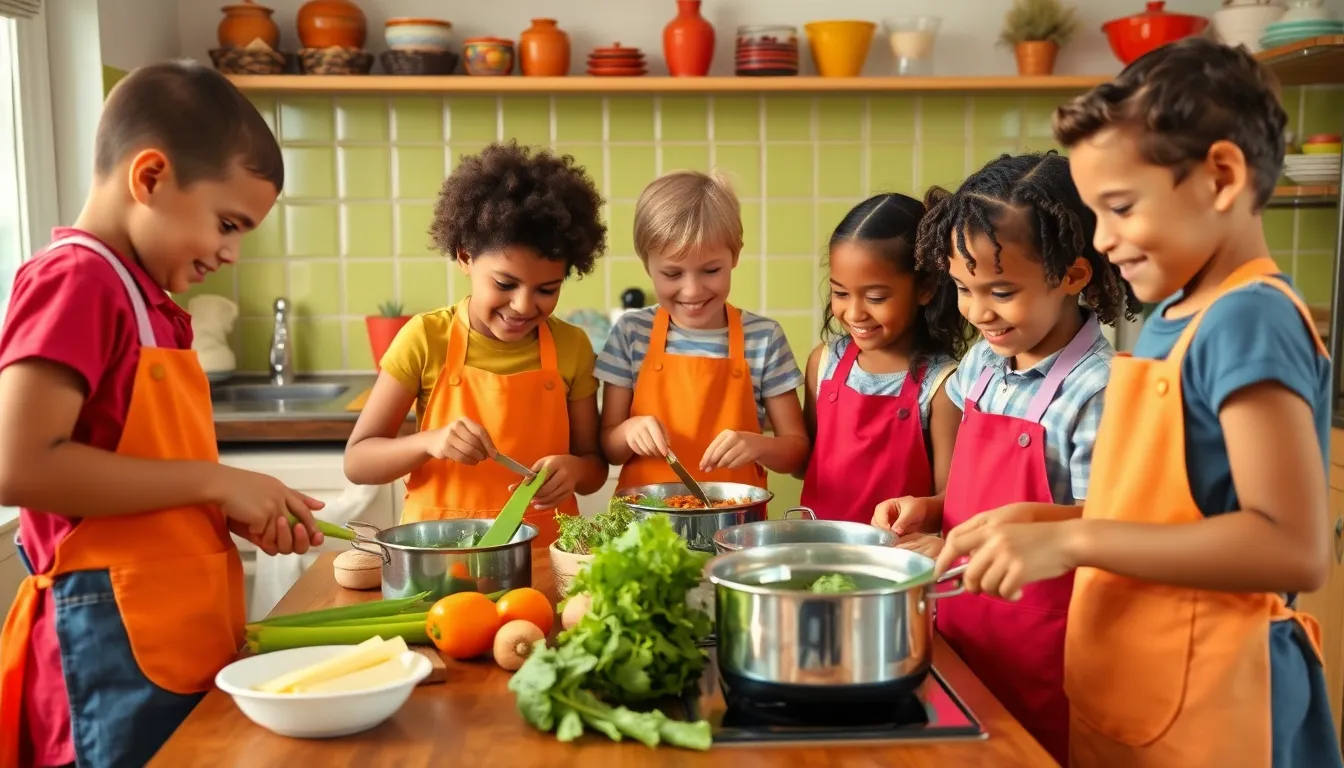
Educational cooking games offer numerous advantages, blending skill enhancement with a fun learning atmosphere. Players gain practical cooking techniques while exploring culinary creativity.
Skill Development
Cooking games bolster essential culinary skills through interactive activities. Participants practice chopping, measuring, and sautéing, mastering fundamental techniques. Players also gain confidence as they experiment with different ingredients and recipes. Knowledge of kitchen safety becomes ingrained during gameplay, promoting a responsible approach to cooking. These games often introduce new cuisines, expanding participants’ culinary repertoire. Engaging in cooperative gameplay builds teamwork skills, as players collaborate to create dishes. With repeated practice, they develop multitasking abilities, essential in real-life cooking scenarios.
Cognitive Benefits
Cognitive skills flourish in educational cooking games. Memory enhancement occurs as players recall recipes and ingredient lists while cooking. Focus improves through timed challenges, compelling players to complete tasks within a specific duration. Problem-solving abilities strengthen as participants navigate cooking scenarios and overcome obstacles. Critical thinking comes into play when adjusting recipes or managing limited resources. Spatial awareness is enhanced while arranging ingredients and navigating virtual kitchens. Overall, these games provide a platform for mental growth while ensuring players have fun in the kitchen.
Popular Educational Cooking Games
Various educational cooking games engage players in a fun, interactive cooking experience. Each game offers unique features that appeal to different skill levels and interests.
Game Examples
“Cooking Mama” stands out with its charming art style and diverse mini-games focused on various cooking techniques. “Chef Kid” provides an engaging platform for young aspiring cooks, allowing them to discover recipes and cooking methods. “Overcooked!” emphasizes teamwork and time management, making it ideal for cooperative play. “Toca Kitchen” promotes creativity as players experiment with ingredients and dish creation without the pressure of scoring. These games encourage culinary exploration while enhancing cooking skills and confidence.
Features to Look For
Look for games with vibrant graphics and realistic mechanics enhancing the cooking experience. Educational value should focus on teaching specific techniques, measurement, and kitchen safety. Players benefit from challenges that stimulate creativity while providing immediate feedback. Multiplayer options encourage collaboration and competition, enriching gameplay. Customization features allow players to create unique dishes, fostering individual expression. Finally, intuitive controls ensure accessibility for all age groups, making learning enjoyable and effective.
How to Choose the Right Educational Cooking Game
Choosing the right educational cooking game involves considering various factors that align with individual preferences and learning goals. These factors ensure players enjoy and benefit from the experience fully.
Age Appropriateness
Age-appropriate games cater to different skill levels and understanding. For young children, games with simple mechanics and colorful graphics engage their interest. Older kids and adults might enjoy more complex gameplay with advanced techniques. Checking for age ratings or recommendations helps parents and educators select suitable options. Additionally, games like “Chef Kid” target younger audiences, while “Overcooked!” offers challenges appealing to teenagers and adults. Ensuring the chosen game aligns with the player’s age guarantees a suitable learning experience.
Educational Value
Educational value plays a crucial role in selecting a cooking game. Games should incorporate essential cooking skills, including measurement and ingredient combinations. Players develop practical techniques while enjoying the gameplay. Games with diverse cuisines introduce culinary traditions, enriching the educational aspect. Looking for titles that emphasize teamwork and creativity enhances social skills. Titles like “Cooking Mama” provide hands-on experiences with learning opportunities. Checking reviews and descriptions regarding educational content ensures players gain valuable knowledge along with enjoyment.
Educational cooking games offer an engaging way to develop culinary skills while having fun. They provide a unique blend of learning and entertainment that appeals to a broad audience. By fostering creativity teamwork and essential cooking techniques these games create a rich environment for skill enhancement.
Players not only gain confidence in the kitchen but also experience cognitive growth through interactive gameplay. With a variety of options available there’s something for everyone whether it’s a young child or an aspiring chef. The right game can transform cooking into an enjoyable and educational experience making it a valuable addition to anyone’s learning journey.


