
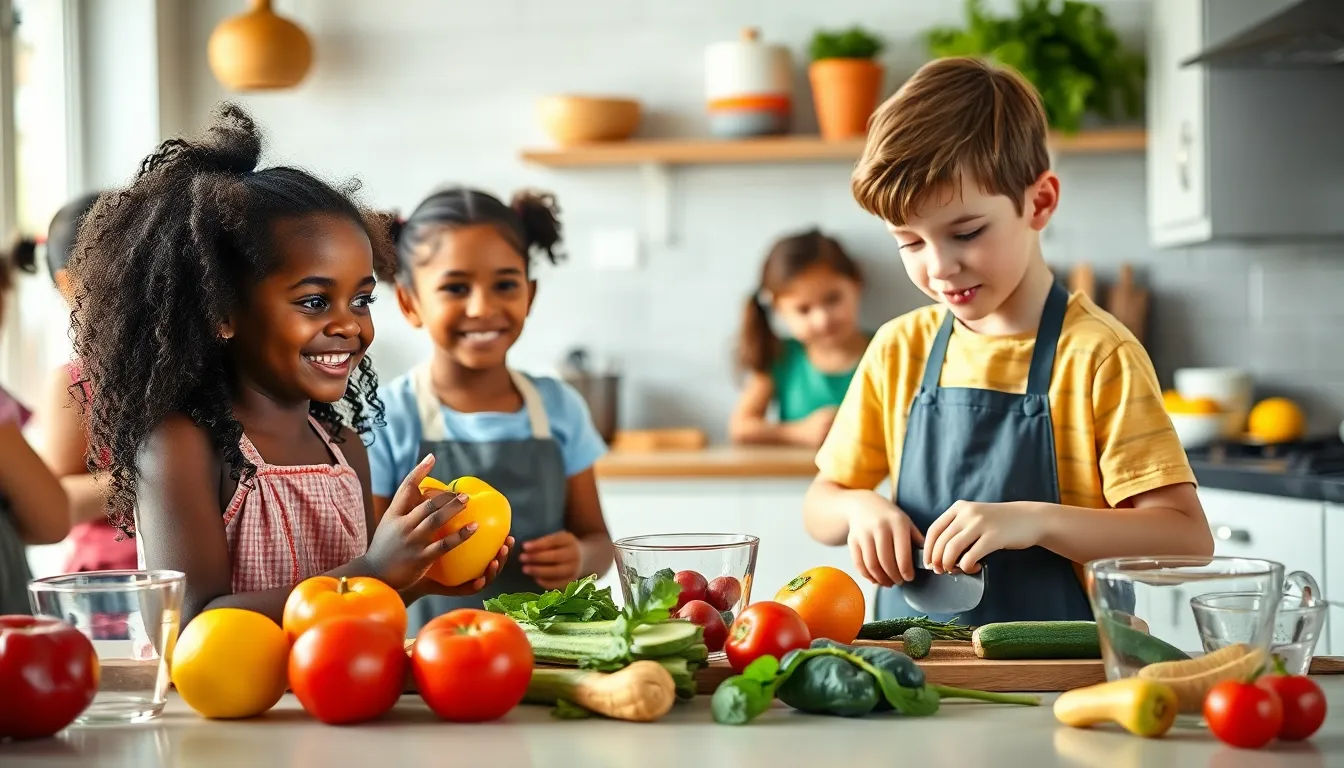
In a world where kids think broccoli is a mythical creature and pizza is a food group, food education for children is more crucial than ever. Teaching kids about nutrition isn’t just about avoiding the dreaded “veggie face” at dinner; it’s about equipping them with the skills to make healthy choices for life. After all, who wouldn’t want their little ones to grow up knowing the difference between quinoa and a cookie?
Importance Of Food Education For Children
Food education holds significant value for children, particularly in a world filled with unhealthy options. Knowledge about nutrition fosters informed choices, allowing kids to develop lifelong healthy habits.
Health Benefits
Proper food education leads to improved health outcomes. Children with a solid understanding of nutrition frequently make better food choices, which can translate into lower obesity rates. Research indicates that kids who learn about nutrients often consume more fruits and vegetables. A balanced diet supports growth and development, enhancing their immune systems. Regular exposure to healthy foods not only prevents negative reactions but also encourages adventurous eating. This knowledge equips them to minimize the risk of chronic diseases in the future.
Emotional Wellness
Understanding food choices contributes significantly to emotional well-being. Children educated about nutrition can develop a healthier relationship with food. They’re less likely to associate food with emotional comfort, which can lead to disordered eating. By exploring various foods, kids experience different tastes and textures, promoting curiosity. This engagement cultivates confidence in their food choices. Food education further encourages mindfulness during meals, enabling children to appreciate their food and reduce stress associated with eating.
Key Components Of Food Education
Food education for children consists of essential components that provide a comprehensive understanding of nutrition and food skills. These components equip kids with vital knowledge for making healthy dietary choices.
Understanding Nutrients
Nutrients play a fundamental role in a child’s growth and development. Vitamins, minerals, proteins, fats, and carbohydrates all influence overall health. Kids should learn to identify the role of each nutrient in their meals. Teaching them about these components fosters awareness of how different foods affect energy levels and physical well-being. For example, explaining the importance of fruits and vegetables helps children appreciate their health benefits while encouraging balanced diets. Knowledge about nutrients empowers children to choose foods that support their active lifestyles.
Food Preparation Skills
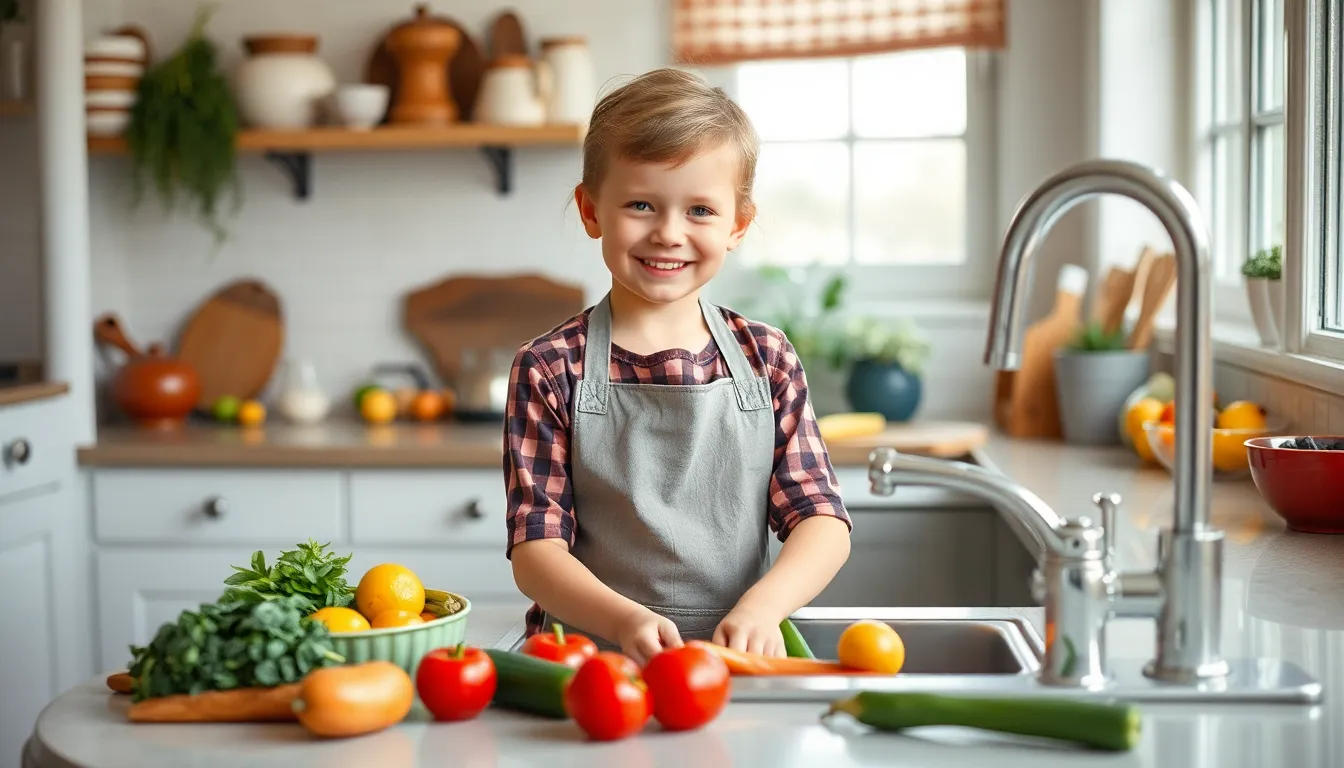
Food preparation skills are integral to food education. Skills range from basic tasks like washing fruits and vegetables to more complex tasks like following a recipe. Introducing children to cooking encourages independence and creativity in the kitchen. Kids develop confidence in their abilities while learning kitchen safety and hygiene practices. Simple recipes promote hands-on experience that enhances understanding of ingredient selection and meal planning. Engaging in food preparation also nurtures a sense of accomplishment. Cooking at home creates opportunities for sharing meals, which strengthens family bonds and further enriches children’s relationship with food.
Effective Strategies For Teaching
Teaching children about food education involves various effective strategies that engage them and enhance understanding.
Interactive Learning Approaches
Interactive learning approaches offer hands-on experiences that make food education engaging. Activities, such as cooking classes, enable children to practice skills directly. Incorporating games related to nutrition fosters excitement and curiosity. Utilizing technology, like apps and online resources, allows kids to explore food concepts in a fun way. These methods encourage participation, increasing retention of information and creating lasting mental connections to healthy eating habits.
Gardening And Farm Visits
Gardening and farm visits provide valuable insights into food sources and cultivation. Children learn about growing fruits, vegetables, and herbs, connecting the growth process to their meals. Visiting local farms exposes kids to various agricultural practices and promotes appreciation for fresh produce. These experiences highlight the importance of sustainability and environmental awareness. Engaging directly with food origins cultivates curiosity and a desire to make healthier choices.
Role Of Parents And Educators
Parents and educators play a crucial role in food education for children, fostering a better understanding of nutrition and healthy eating habits. By working together, they can create enriching experiences that promote awareness and engage children’s curiosity.
Creating Supportive Environments
Supportive environments nurture a child’s relationship with food. Parents can create meal routines that encourage family time, helping children see healthy eating as a shared experience. Educators can enhance classroom settings that emphasize nutrition, integrating discussions about food into lessons. Environments rich in healthy options empower children to make better choices. Snacks available during school hours should include fruits, vegetables, and whole grains. Activities that involve cooking or gardening provide hands-on learning experiences. These efforts instill confidence in children as they discover the benefits of nourishing foods.
Resource Availability
Resource availability significantly impacts food education. Parents can utilize books, websites, and cooking resources that focus on nutrition. Educators can access community programs that offer art, gardening, or cooking classes. Schools should provide access to nutrition education materials for both teachers and students. Local farmers’ markets and community gardens serve as excellent resources, connecting children directly with food sources. Digital tools, including apps that teach healthy eating, can enhance learning opportunities. Such resources encourage children to engage with food knowledge, shaping their understanding of healthy choices.
Empowering children with food education lays the foundation for a lifetime of healthy choices. By fostering an understanding of nutrition and encouraging hands-on experiences, kids can develop a positive relationship with food. This knowledge not only helps them make informed decisions but also promotes emotional wellness and independence in the kitchen.
Parents and educators play a vital role in creating supportive environments that nurture curiosity and engagement. As families and communities work together to emphasize the importance of healthy eating, children will be better equipped to navigate their food choices. Ultimately, a comprehensive approach to food education can lead to a healthier generation, reducing obesity rates and enhancing overall well-being.


