
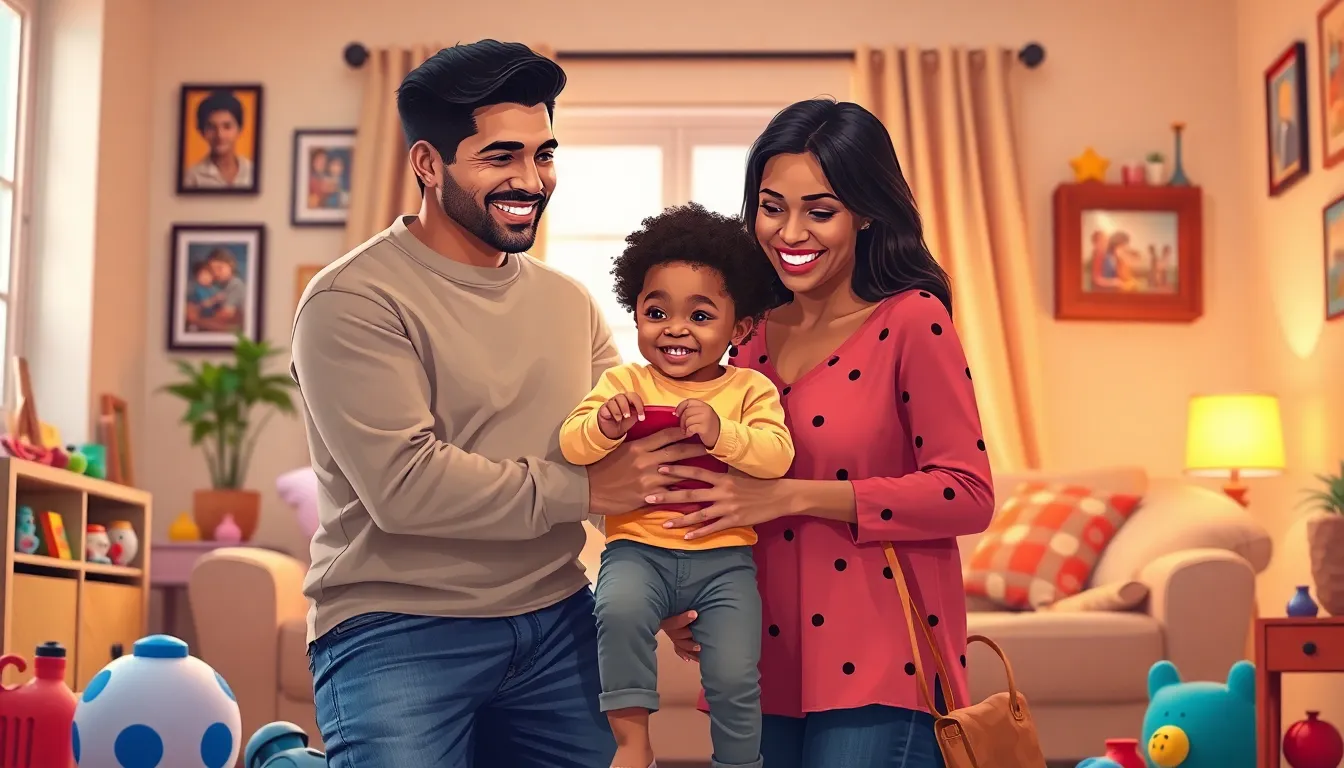
Navigating the world of child welfare can feel like trying to solve a Rubik’s Cube blindfolded. Fostering and adoption each offer unique paths to making a difference, but they come with their own sets of twists and turns. Whether one’s considering becoming a superhero for a day or committing to a lifelong sidekick, understanding the difference is essential.
Understanding Fostering
Fostering provides temporary care for children unable to live with their birth families. This arrangement emphasizes the child’s safety and well-being while their biological parents work towards reunification or alternative plans.
Definition of Fostering
Fostering refers to the act of providing a safe living environment for a child in need. Typically, this arrangement happens through licensed foster care agencies. Foster caregivers assume the responsibilities of parents while maintaining a commitment to support the child’s best interests. The primary goal aims at reunification with biological parents whenever possible. Long-term fostering may occur if reunification isn’t feasible.
Types of Foster Care
Different types of foster care exist to cater to children’s varying needs. Traditional foster care places children with families while assessing their situation. Respite care provides temporary relief for regular foster parents, allowing them brief breaks. Emergency foster care offers immediate placement for children removed from harmful environments, often for a short period. Specialized foster care supports specific demographics, including LGBTQ+ youth or children with disabilities. Each type addresses unique challenges within the foster care system.
Understanding Adoption
Adoption serves as a permanent legal arrangement that provides a child with a new family. Many individuals view it as an alternative to fostering, focusing on long-term stability and belonging.
Definition of Adoption
Adoption represents the legal process through which an individual or couple becomes the permanent parent(s) of a child. This process grants adoptive parents all parental rights and responsibilities. Unlike fostering, which emphasizes temporary care, adoption establishes a lasting family connection. Adoptive relationships encompass emotional bonds and legal recognition, ensuring the child’s welfare and security.
Types of Adoption
Various adoption types address diverse situations and needs. Domestic adoption occurs within the same country, often involving infants or toddlers. International adoption allows families to adopt children from different countries, navigating unique legal requirements. Foster care adoption involves adopting children who have been in the foster care system, often after reunification attempts have failed. Step-parent and relative adoption present specific pathways, allowing family members to maintain connections while formalizing parental rights. Each type of adoption reflects the families’ commitment to nurturing and supporting a child’s future.
Key Differences Between Fostering and Adoption
Fostering and adoption present distinct pathways in child welfare. Both processes involve care for children but differ significantly in their goals and legal status.
Legal Implications
Fostering involves temporary care authorized by state agencies. Foster parents don’t acquire legal parental rights over the child; instead, they provide a supportive environment while the biological parents work towards reunification or other solutions. Adoption, on the other hand, constitutes a permanent legal change of guardianship. With adoption, individuals or couples gain full parental rights and responsibilities, establishing an irreversible family bond with the child. Legal procedures for adoption often include background checks, home studies, and court hearings, ensuring stability and safety for the child.
Long-Term Commitments
Fostering tends to require a shorter-term commitment, often ranging from a few days to several years, depending on the circumstances surrounding each child’s case. Long-term fostering may occur, but the intent generally aims at eventual reunification with their birth families. Adoption represents a commitment for life, offering children stability within a forever family. Adoptive parents pledge to nurture, support, and advocate for the child’s well-being, often taking on the emotional and financial responsibilities associated with raising a child. Such differences underscore the unique expectations individuals have when engaging in either fostering or adoption.
Benefits and Challenges of Fostering
Fostering presents distinct emotional challenges and rewards for both the children and foster families involved.
Emotional Support for Children
Foster children often experience loss and instability that affects their emotional well-being. Providing consistent emotional support becomes crucial; it helps children process their feelings and fosters trust. A stable environment encourages children to express their emotions freely and develop coping skills. Knowing they have a safe place to share fears or anxieties builds resilience. Engaging in activities that promote bonding, such as family outings and individual attention, strengthens relationships and mitigates feelings of abandonment. Regular communication with the birth family, where appropriate, also supports a child’s emotional health by maintaining connections and continuity.
Adjusting to Foster Family Dynamics
Adjusting to new family dynamics can be challenging for foster children. Each child comes with their unique history and experiences, requiring patience and understanding from foster parents. Establishing routines offers a sense of security and predictability. Encouraging open dialogue about feelings helps integrate children into the family unit. Addressing behaviors stemming from previous trauma becomes essential, as these may surface during adaptation. Creating an inclusive atmosphere where children feel valued enhances trust and belonging. Collaboration with social workers and counselors provides further guidance on navigating these challenges.
Benefits and Challenges of Adoption
Adoption creates a lasting family for children, offering stability and emotional connections. These benefits build a foundation for healthy development and well-being.
Creating Permanent Families
Establishing a permanent family helps children develop a sense of belonging. Emotional security gains importance as children transition from a life of uncertainty. Families formed through adoption often experience deep bonds that enhance their collective resilience. Adoption provides children the opportunity to grow in a nurturing environment, surrounded by parents committed to their future. As a result, these families strengthen the child’s identity and sense of self, fostering acceptance and love.
Navigating Adoption Processes
Navigating the adoption process involves several steps, each critical for success. First, prospective parents must undergo a home study, ensuring a safe environment for the child. Training and education prepare families for the realities of adoption. Next, agencies may require background checks and interviews to assess suitability. Important legal steps, including consent from birth parents or legal guardians, come next. Completing the finalization process grants parents legal rights while providing stability and permanence for the child. Every step contributes to creating a solid foundation and securing a loving home.


