
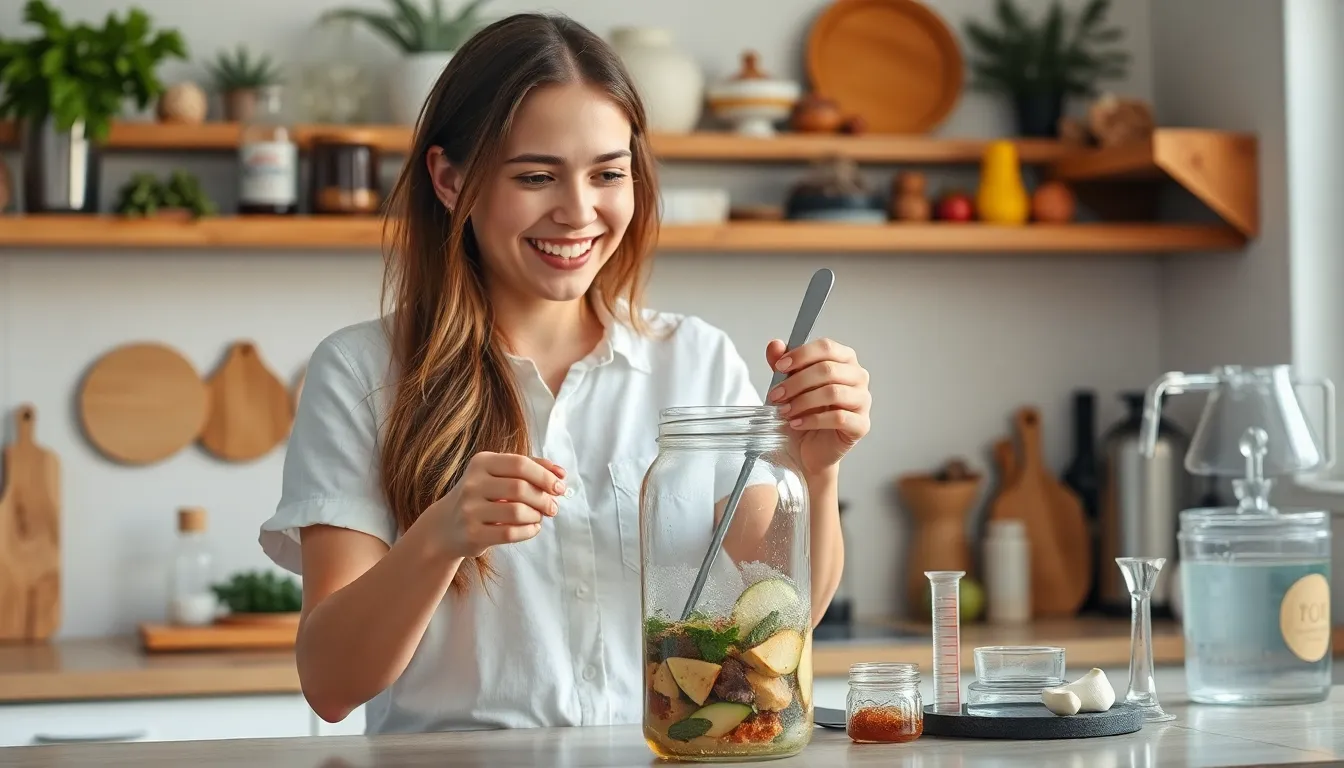
Imagine sipping on a chilled cocktail crafted from your very own homemade vodka. Sounds like a dream, right? Well, it’s time to turn that dream into a reality! Making vodka at home isn’t just for the pros or mad scientists in lab coats. With a few simple ingredients and a dash of patience, anyone can become a master distiller in their own kitchen.
Understanding Vodka
Vodka, a clear distilled spirit, contains a high alcohol content, typically ranging from 35% to 50% ABV. Originating primarily from Eastern Europe, its main ingredients include grains, potatoes, or even fruits. The choice of base ingredient influences the flavor profile, making each variation unique.
Distillation plays a crucial role in vodka production. It removes impurities and concentrates the alcohol. Commercial vodka undergoes multiple distillation processes, leading to a smoother product. Home distillers can achieve excellent results with a simple setup, focusing on purity and clarity.
Many enthusiasts appreciate vodka for its versatility. Its neutral flavor allows for myriad cocktail combinations. Whether enjoyed neat, on the rocks, or mixed with juices, vodka suits various preferences. During the infusion process, herbs, spices, and fruits can enhance vodka’s taste, resulting in distinct home creations.
Fermentation is another critical step in vodka making. Yeast converts sugars in the base ingredient into alcohol. Controlling fermentation temperature and timing impacts the final product’s quality. A balanced ferment can lead to a smoother taste and fewer off-flavors.
One point to note is vodka’s legal classification. In many regions, producing alcohol at home is regulated or prohibited. Adhering to local laws ensures that home distillation remains safe and compliant. Aspiring distillers should research the legalities before starting their vodka-making journey.
Understanding these aspects of vodka lays a strong foundation for creating a customized spirit. Passion for craft distillation can yield rewarding results, allowing individuals to savor their unique vodka creations.
Ingredients Required
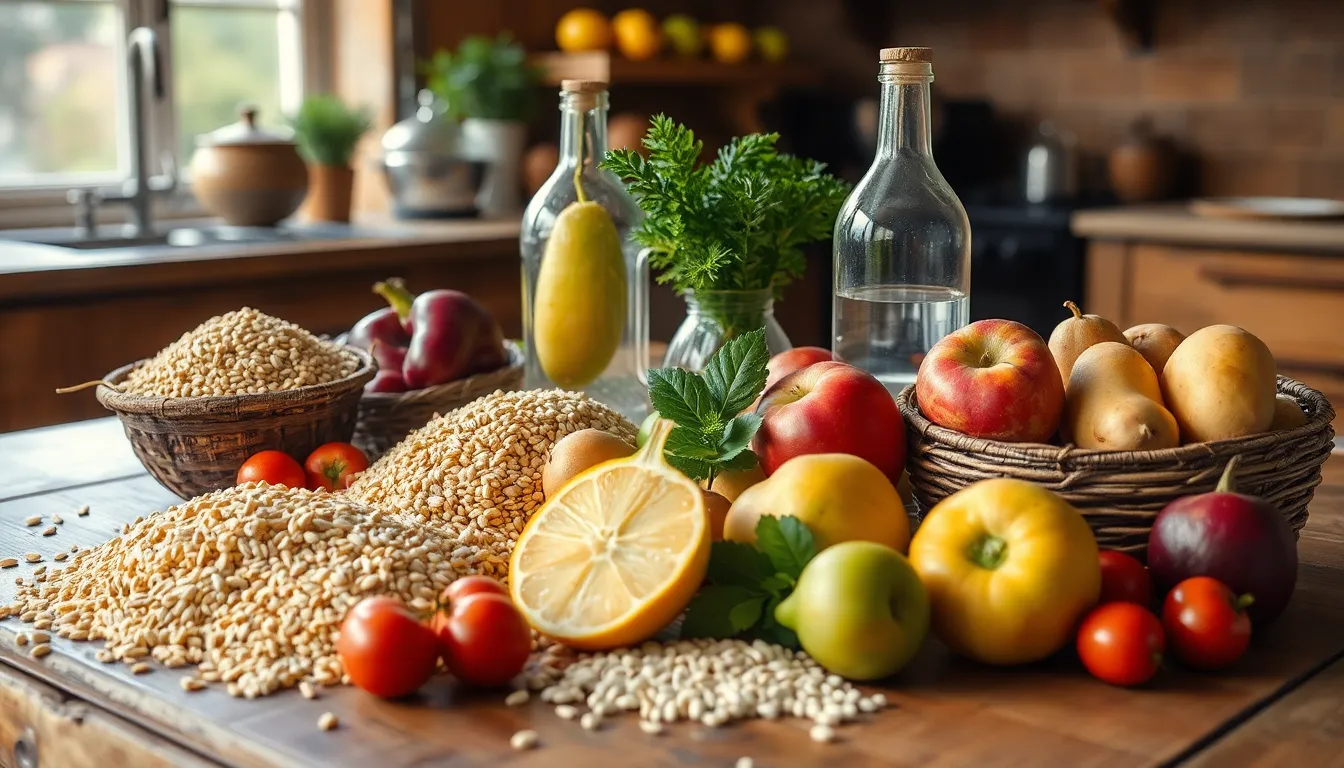
Making vodka at home requires a few essential ingredients. The right choices can significantly impact the flavor and quality of the final product.
Base Ingredients
Grains are among the most common base ingredients for vodka. Corn, wheat, and barley contribute distinct flavors and characteristics. Potatoes are another popular option, offering a creamy texture and a slightly sweeter finish. Fruits like apples or grapes can create unique vodka variations, bringing fruity undertones to the spirit. Choosing quality base ingredients influences the overall taste, making it imperative for home distillers to select wisely.
Flavoring Options
Numerous flavoring options exist for enhancing vodka. Herbs, such as basil and rosemary, provide aromatic notes. Spices like peppercorns or cinnamon add warmth and depth. Citrus peels, particularly from lemons and oranges, inject freshness and brightness. Additionally, fruits such as berries or melons introduce sweetness and vibrancy. Experimenting with these flavoring options opens up a world of possibilities for personalized vodka creations.
Equipment Needed
Making vodka at home requires specific tools to ensure a successful distillation process. Proper equipment contributes significantly to the quality of the final spirit.
Essential Tools
A fermentation vessel is necessary for the initial yeast activity, typically a food-grade container with an airlock. A still is vital for distillation, allowing the separation of alcohol from the wash. Measuring equipment, including a hydrometer, helps track fermentation progress and determine alcohol content. Lastly, bottles for storage keep the finished vodka safe and ready for use.
Optional Equipment
A heating source can enhance the distillation process, and many opt for an electric stove or propane burner. Carbon filtration systems improve purity by removing impurities post-distillation. Additionally, a thermometer ensures precise temperature monitoring during distillation, contributing to consistency. Consider using flavoring infusers for those who enjoy experimenting with different tastes and aromas in their vodka.
Step-by-Step Process
Creating vodka at home involves a systematic approach that includes fermentation, distillation, and bottling.
Fermentation
Fermentation transforms sugars into alcohol with the help of yeast. First, combine your chosen base ingredient, such as grains or potatoes, with water and heat the mixture to activate enzymes. Yeast added to the mix will consume the sugars, producing alcohol and carbon dioxide. Optimal temperature ranges from 70°F to 80°F for effective fermentation. This process usually takes about one to two weeks, depending on the ingredient choice and fermentation conditions. Monitoring the specific gravity with a hydrometer ensures you know when fermentation is complete, as the sugar content drops significantly.
Distillation
Distillation separates alcohol from the fermentation mixture, enhancing purity and concentration. Begin by pouring the fermented liquid into the still, ensuring to leave some space for foaming. Heat the mixture slowly. As it heats, alcohol evaporates, passes through a condenser, and returns to liquid form. Collect this distilled liquid in separate containers to isolate heads, hearts, and tails, which are different fractions of distillate. The hearts portion contains the desired ethanol and should be kept for vodka. This process may need to be repeated for higher purity levels.
Bottling
Bottling is the final step, preparing vodka for enjoyment. Verify the distilled liquid’s alcohol content using a hydrometer; the optimal range is 40% to 50% ABV for a smooth drink. Clean and sanitize storage bottles beforehand to prevent contamination. Once you fill the bottles, sealing them tightly ensures no air enters, affecting flavor. It’s also beneficial to label each bottle with production date and ingredient notes. For those interested, consider aging vodka with flavor infusions after bottling to create unique blends.
Tips for Success
Maintaining cleanliness is essential throughout the vodka-making process. Using sanitized equipment prevents unwanted bacteria and contamination, ensuring a smoother distillation. Carefully measuring ingredients also contributes to achieving the desired flavor balance.
Monitoring fermentation temperature ensures optimal yeast activity. Yeast thrives between 68°F and 72°F, so adjusting the environment can lead to better results. Checking the specific gravity regularly helps track fermentation progress, informing when it’s ready for distillation.
Choosing the right water can significantly impact the final taste. Using pure, filtered water enhances the vodka’s clarity and overall quality. Selecting high-quality grains or fruits provides a solid foundation for flavor, while experimenting with different varieties can lead to unique results.
Distillation requires attention to detail. Collecting distillate in fractions allows for separating unwanted components, resulting in purer vodka. Retaining only the hearts portion guarantees consistency in the final product.
Testing alcohol content before bottling is crucial. Using a hydrometer helps confirm that the vodka meets the desired ABV level. Labeling bottles effectively not only keeps track of creations but also adds a personal touch.
Experimenting with infusions offers opportunities for creativity. Adding fresh herbs or fruits can lead to exciting, customized flavors. Seeking feedback from friends or family can provide insights into improving recipes over time.
Planning ahead for aging or infusing vodka can enhance flavor complexity. Allowing time for flavors to meld results in a smoother, more aromatic spirit. Prioritizing these success tips promotes confidence in the homemade vodka production journey.
Creating vodka at home is an exciting and rewarding endeavor. With the right ingredients and equipment anyone can produce a spirit that reflects their personal taste. The journey from fermentation to distillation offers opportunities for creativity and experimentation.
By focusing on purity and quality home distillers can achieve impressive results. Whether opting for classic flavors or unique infusions the possibilities are endless. As they gain confidence in their craft they’ll not only enjoy their creations but also share them with friends and family.
Ultimately making vodka at home is about more than just the final product. It’s a chance to explore the art of distillation and savor the fruits of one’s labor. So why not embark on this flavorful adventure and create something truly special?


