
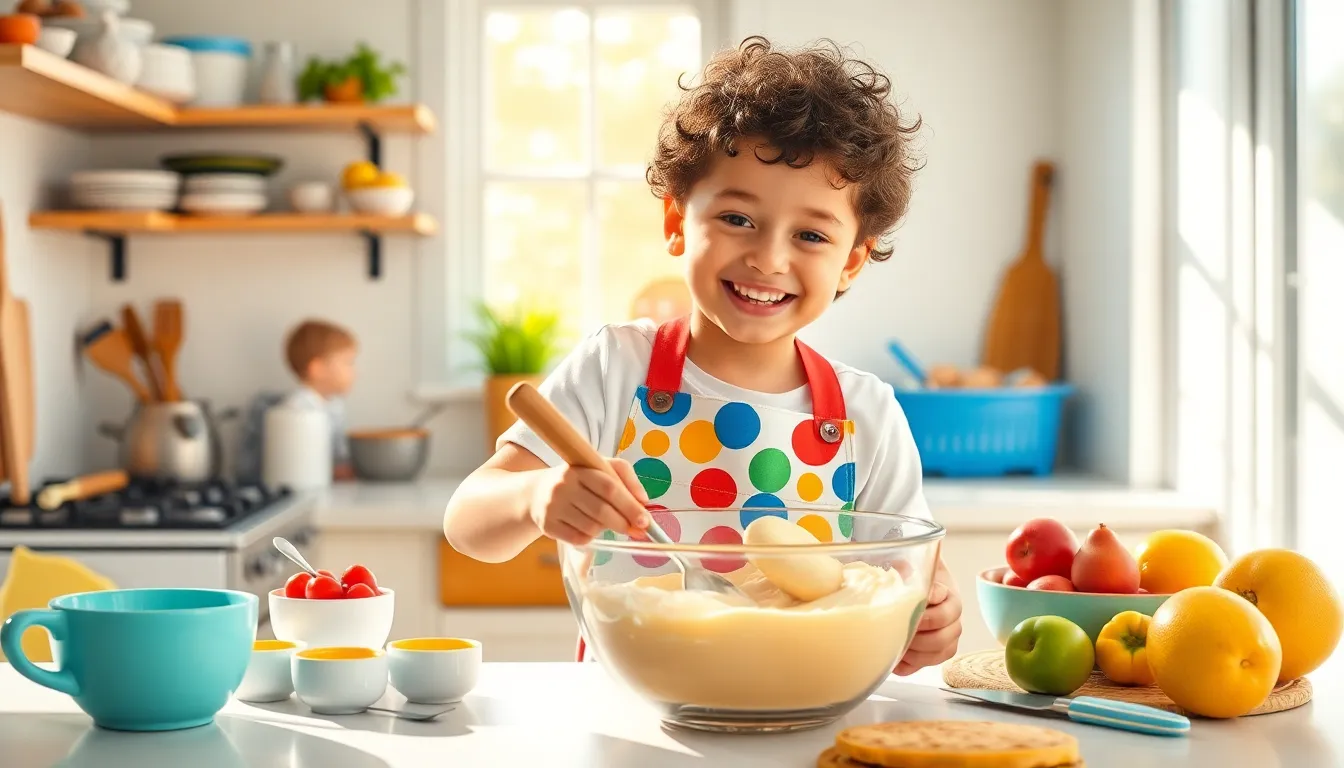
Cooking with kids can feel like a culinary rollercoaster ride—exciting, messy, and full of surprises. Imagine the joy of watching little chefs whip up their own creations while learning valuable skills. With the right kids cookbook recipes, mealtime transforms into a fun adventure that even picky eaters can enjoy.
Benefits Of Cooking With Kids
Cooking with kids provides numerous benefits, enhancing both their culinary skills and personal development.
Fostering Creativity
Cooking encourages creativity. Kids explore various flavors and ingredients while experimenting with recipes. They make independent choices about meal presentation, boosting their imagination. Recipes in a kids’ cookbook often provide flexibility, allowing children to make adjustments based on their preferences. Trying new combinations fosters original thinking and enhances problem-solving abilities. Each culinary adventure invites children to express their personality through food. Parents witness their kids transforming simple ingredients into unique dishes.
Building Confidence
Confidence builds through cooking experiences. As kids follow recipes and succeed in preparing meals, they gain a sense of accomplishment. Mastering simple tasks, such as measuring ingredients and following instructions, reinforces their capabilities. Positive feedback from parents further empowers children, making them excited to try more complicated recipes. Progression leads to increased independence in the kitchen. This newfound competence contributes to greater self-esteem outside cooking as well. Engaging in culinary activities helps children realize they can achieve goals with practice and perseverance.
Essential Cooking Tools For Kids
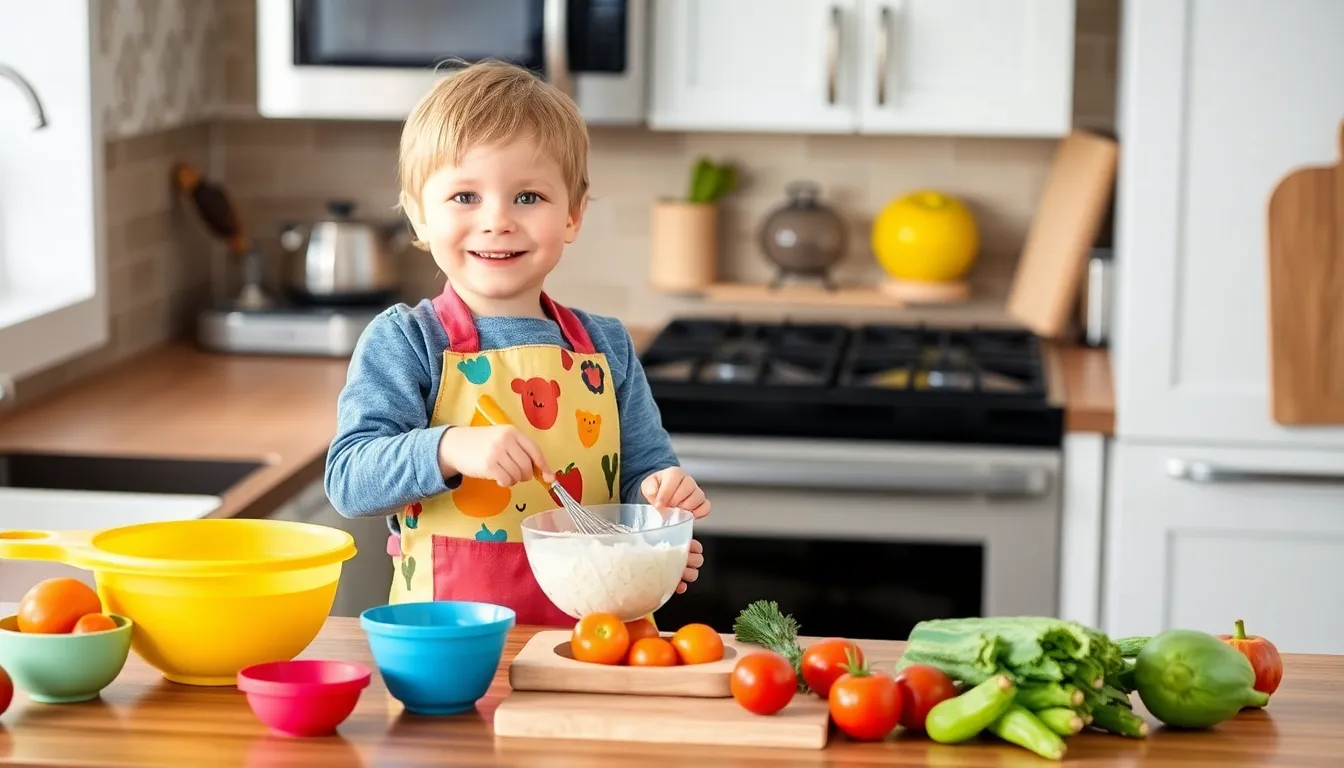
Cooking with kids requires appropriate tools that enhance their experience while ensuring safety. Selecting the right equipment can transform the culinary adventure into a delightful learning journey.
Age-Appropriate Utensils
Choosing utensils suited for kids promotes independence in the kitchen. Small mixing bowls help kids manage ingredients without overwhelming them. Child-sized measuring cups ensure accurate portioning while fitting comfortably in smaller hands. Lightweight spatulas make flipping pancakes or cookies easier for young chefs. Easy-grip knives allow kids to practice cutting with less risk. Forks and spoons designed for small hands encourage proper utensil use during meals. Each of these items serves a specific purpose, contributing to developing essential cooking skills.
Safety Equipment
Using safety equipment is vital for keeping kids protected while they cook. Non-slip cutting boards provide stability, minimizing accidents with knives. Oven mitts made for small hands help prevent burns during baking. Aprons protect clothing from spills, making cleanup easier. Safety goggles add an extra layer of protection while children learn to handle spices or cutting vegetables. Lastly, timers equipped with visual alerts ensure kids remain aware of cooking times, promoting attentiveness. Each tool enhances safety, allowing kids to explore cooking with confidence.
Easy Kids Cookbook Recipes
Kids can explore new flavors with simple and exciting recipes. Each section below features delightful options for various mealtimes.
Breakfast Ideas
Pancakes offer a quick and simple breakfast choice. Kids can mix flour, milk, and eggs in a bowl to create the batter. They can then pour the batter onto a griddle for fun shapes. Smoothies provide another healthy alternative. By blending fruits like bananas and strawberries with yogurt, they create nutritious drinks. Muffins are also engaging; children can customize them with chocolate chips or blueberries for added flavor.
Lunch Favorites
DIY pizzas allow kids to express creativity. Using whole wheat wraps or pita bread, they can spread tomato sauce and add their favorite toppings. Vegetables like bell peppers and olives enhance flavor. Wraps offer another hands-on option. Children can fill tortillas with turkey, cheese, and lettuce, rolling them tightly for an easy meal. DIY lunchboxes help kids learn portion control and enjoy a variety of foods.
Snack Suggestions
Fruit kabobs make snacking fun. Kids can thread pieces of fruit like grapes, melon, and strawberries onto sticks, creating colorful treats. Trail mix provides a nutritious option. Combining nuts, seeds, and dried fruits keeps energy levels up during playtime. Yogurt parfaits offer another tasty alternative; layering yogurt, granola, and fruits makes snacking visually appealing and delicious.
Dinner Delights
Tacos allow kids to build their meals. Soft or hard shells can be filled with seasoned ground beef or beans and topped with cheese and salsa. Stir-fry is another interactive dish. Children can help chop vegetables like bell peppers and broccoli, tossing them in a pan with chicken and soy sauce. Pasta dishes, such as spaghetti, are easy to prepare together. Kids can help mix ingredients for marinara sauce and sprinkle cheese on top before serving.
Tips For Encouraging Kids In The Kitchen
Cooking with kids offers not just learning opportunities but also moments of joy. Engaging children in the kitchen can enhance their culinary skills while creating cherished memories.
Making It Fun
Introduce games that involve cooking tasks like ingredient scavenger hunts. Use playful cooking tools and let kids decorate their dishes, which sparks creativity. Music can uplift the atmosphere while they cook. Allow them to choose from a selection of recipes to empower decision-making. Inject humor by making silly names for meals, turning every cooking session into a lighthearted event. Incorporate colorful ingredients to make dishes visually appealing. Celebrate completed dishes with a mini ‘taste test’ to provide excitement and feedback on their creations.
Setting Up A Cooking Schedule
Create a weekly cooking schedule that includes specific days for kitchen activities. Assign each child a particular task or recipe for which they are responsible. Adjust timing based on their age and skill level to keep the experience enjoyable. Block out time for exploration and experimentation with ingredients, allowing flexibility. Encourage kids to share their thoughts on what recipes to include on the schedule. Use this opportunity to teach them about meal planning and grocery lists. Incorporating various cuisines increases their culinary knowledge and appreciation for diverse flavors.
Cooking with kids opens up a world of creativity and learning. It’s more than just preparing meals; it’s about building confidence and independence. With age-appropriate tools and engaging recipes, children can explore flavors and develop essential skills in the kitchen.
Encouraging kids to participate in cooking fosters a sense of accomplishment and enhances their self-esteem. By making mealtime a fun and interactive experience, families can create lasting memories while nurturing a love for food. Embracing this culinary adventure not only enriches children’s lives but also strengthens family bonds through shared experiences.


