
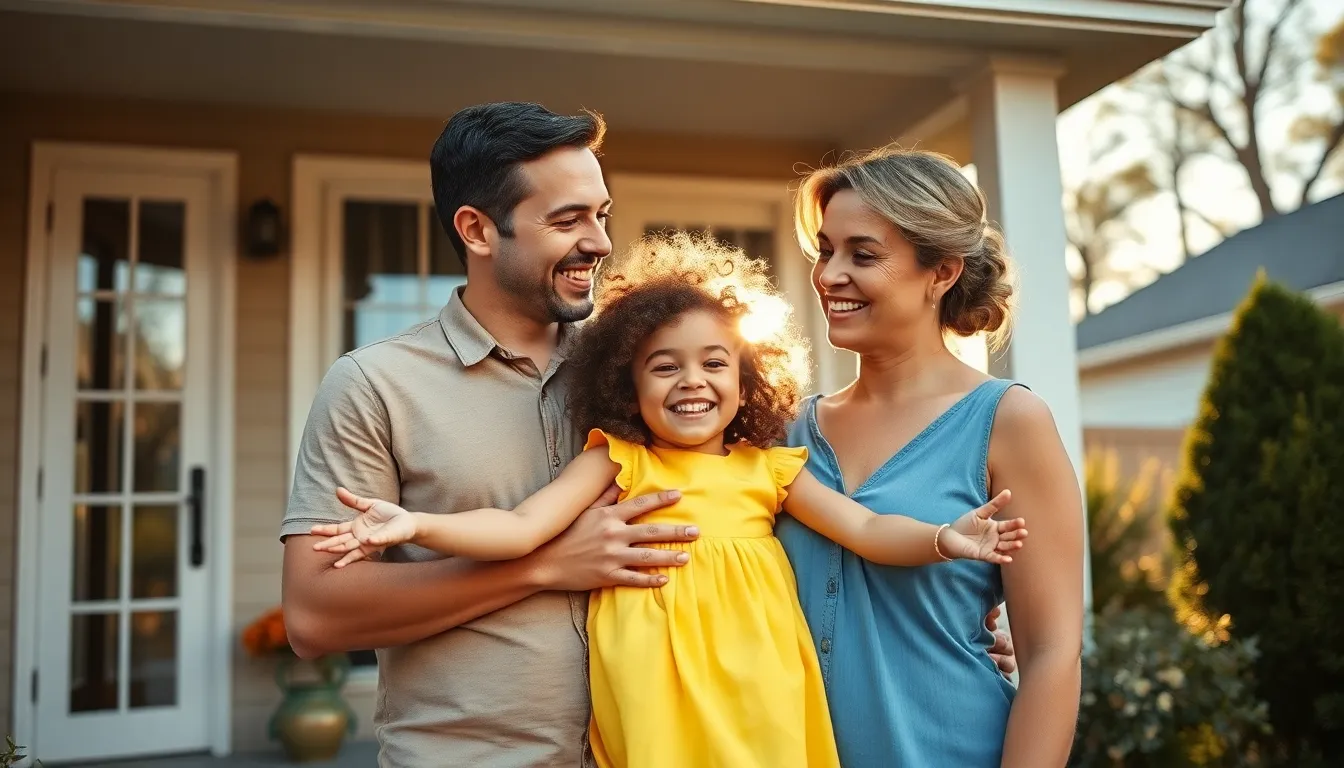
Adopting an orphan isn’t just about giving a child a home; it’s about opening the door to a world of love, laughter, and a few delightful surprises. Picture this: a little one who’s eager to share their wild imagination and maybe even their questionable taste in music. It’s a chance to create a family filled with unforgettable memories and the occasional chaos that comes with raising a spirited child.
Orphan adoption can seem daunting, but it’s also incredibly rewarding. With every hug, every giggle, and every “I love you,” the bond grows stronger. Plus, think of the stories you’ll have for family gatherings—who wouldn’t want to be the hero who brought a child into their forever home? So, buckle up and get ready for a journey that promises joy, challenges, and a whole lot of heart.
Understanding Orphan Adoption
Orphan adoption represents a significant act of compassion and commitment. This journey often brings profound changes to both the adoptee and the adoptive family.
Definition and Key Concepts
Orphan adoption refers to the legal process through which individuals or couples become permanent caregivers for children without parental guardians. It involves various methods, including domestic or international approaches. Children adopted from orphanages or care facilities often face unique challenges, such as attachment issues and trauma from past experiences. Understanding these aspects is crucial for prospective adoptive parents, as it helps them prepare for the intricacies of this journey.
The Importance of Orphan Adoption
Orphan adoption plays a vital role in providing stability and love to children in need. Statistics illustrate that over 140 million children worldwide are orphaned, highlighting a significant humanitarian issue. By adopting these children, families contribute to breaking the cycle of neglect and isolation. Furthermore, orphan adoption fosters personal growth in adoptive parents, enhancing resilience and empathy. Establishing a loving home not only uplifts the child but also enriches the lives of the entire family, creating lasting bonds.
The Process of Orphan Adoption
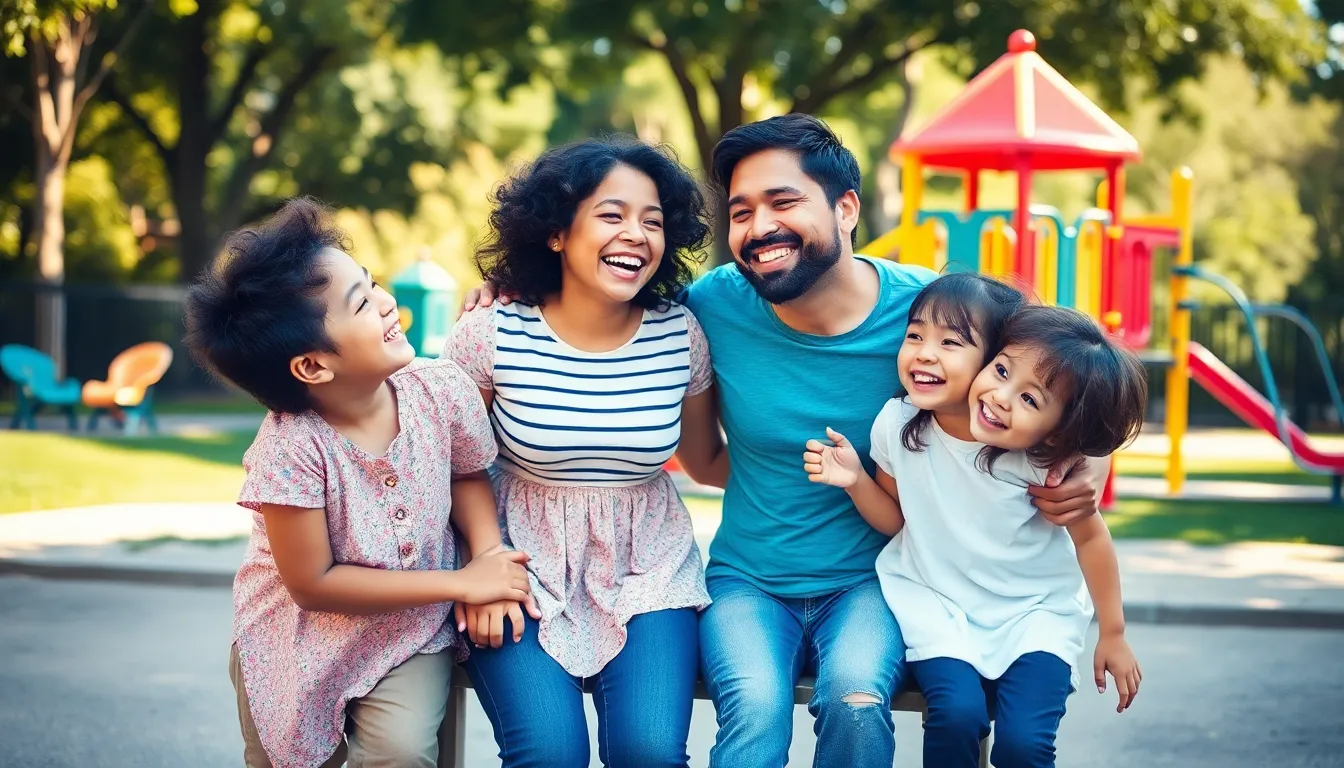
The process of orphan adoption encompasses specific legal procedures and actionable steps for families seeking to provide a loving home. Understanding each aspect proves essential for successful adoption.
Legal Requirements
Legal requirements vary by state and country, with regulations governing eligibility and processes. Adoptive parents typically must complete a home study, which assesses their living conditions and readiness. Background checks often become necessary to ensure the safety of the child. Some states may also require training or classes focused on issues related to adoption. Documentation like birth certificates, marriage licenses, and financial statements is necessary for the application. Following these steps helps establish a secure foundation for adoption.
Steps Involved in Adoption
Several steps comprise the orphan adoption journey. First, prospective parents engage in research, exploring various agencies and their offerings. Next, contacting an adoption agency holds importance for beginning the process. Completing the home study comes as the third step, along with preparing required documents. Afterward, families await a placement match, which often includes meetings with the child. Finally, finalizing the adoption involves legal proceedings, granting permanent custody to the adoptive family. Each step emphasizes thorough preparation and commitment to the child’s well-being.
Challenges in Orphan Adoption
Many families face challenges during the orphan adoption process. Understanding these difficulties can prepare potential adoptive parents for the journey ahead.
Emotional and Psychological Challenges
Orphaned children often deal with deep emotional and psychological scars. Attachment issues frequently arise, making it difficult for these children to form bonds with new caregivers. Trauma from past experiences can manifest in various behaviors, including anxiety and withdrawal. Adoptive parents must recognize these signs, as it requires patience and understanding to help children heal. Receiving professional support and counseling can significantly aid both the child and the family in navigating these complex emotions.
Social and Cultural Challenges
Social acceptance can pose significant obstacles in orphan adoption. Families may encounter stigma or misunderstanding from their communities, impacting their integration and the child’s sense of belonging. Cultural differences also play a crucial role; children may struggle to adapt to new customs and lifestyles. Adopting parents should educate themselves about the child’s background to foster connections and promote understanding. Joining support groups can offer valuable resources for navigating these social dynamics effectively.
Benefits of Orphan Adoption
Orphan adoption offers profound benefits for both the child and the adopting family. The impact of this commitment shapes lives meaningfully.
For the Child
Children who experience orphan adoption gain a supportive environment and stability. They obtain access to educational opportunities that foster their personal development. Emotional healing often occurs as they receive love and care in a nurturing family. Social connections are strengthened; children build relationships with siblings and extended family. These bonds provide a sense of belonging that many orphans lack. Security becomes a reality, shifting their life trajectory toward a more hopeful future.
For the Adopting Family
Adopting families experience growth and fulfillment through the process. They cultivate empathy while learning about the unique challenges their child may face. Emotional rewards enhance family dynamics, creating strong, lasting relationships. Shared experiences lead to cherished memories and collective resilience. Families often find new perspectives on life, enriching their overall outlook. Personal growth occurs as they navigate the complexities of adoption, building a deeper understanding of love and commitment.
Orphan adoption is a transformative journey that enriches the lives of both children and families. By providing a loving home to a child in need, adoptive parents foster resilience and emotional growth. The challenges faced along the way can be daunting but the rewards of love and connection far outweigh them.
Every step taken in this process not only impacts the child’s future but also shapes the family’s dynamics in profound ways. Embracing this journey opens doors to new experiences and cherished memories that last a lifetime. The commitment to adopting an orphan is a testament to the power of love and the potential for healing, making a lasting difference in the world.


